
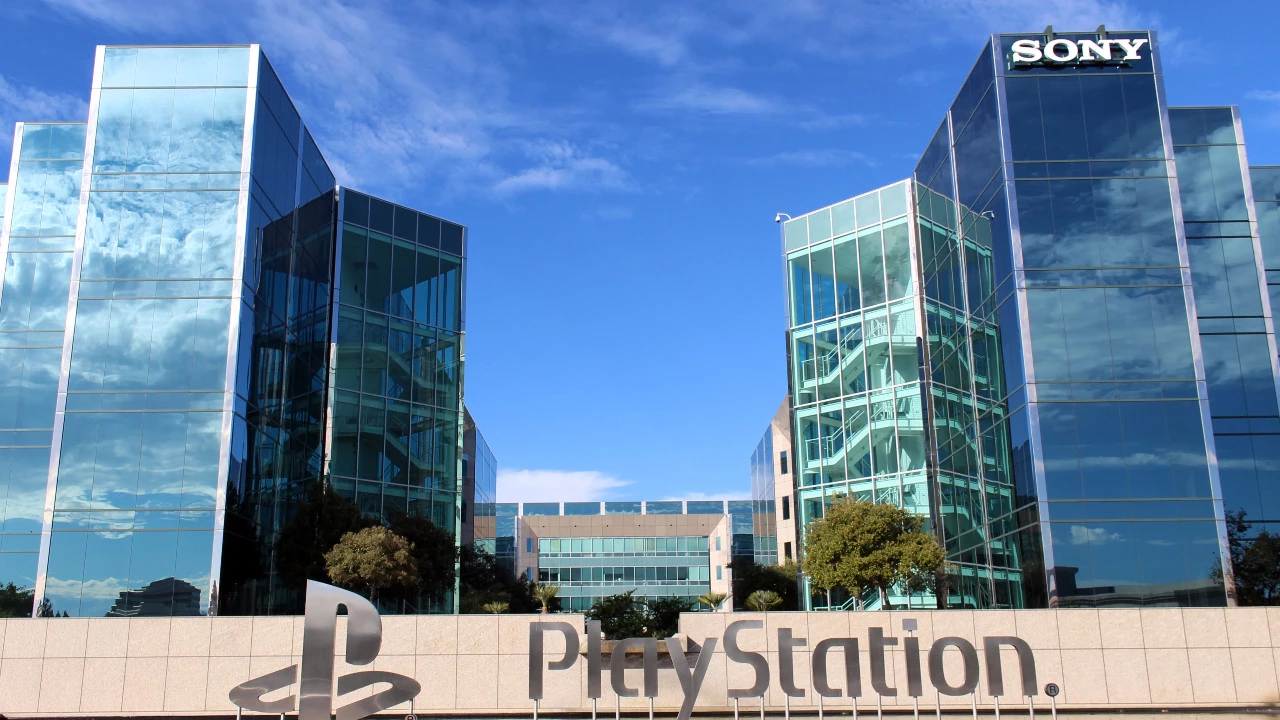
The video game industry stands on the brink of a fundamental transformation that will reshape how millions of players worldwide acquire and experience their favorite titles. Sony has officially confirmed its plans to phase out the production of physical game discs for PlayStation consoles, with a complete transition to a digital-only model scheduled for early 2028. This announcement marks the end of an era that began over four decades ago when cartridges and later optical discs became the primary medium for distributing video games to consumers around the globe.
The decision comes as no surprise to industry veterans who have witnessed the gradual decline of physical media sales over the past decade. A former senior executive from Sony’s digital division, who helped architect the company’s online infrastructure during the PlayStation 3 era, recently commented on the transition, stating that “the shift away from discs was inevitable from the moment high-speed internet became widely accessible.” According to industry data, digital game sales have consistently outpaced physical copies since 2020, with some estimates suggesting that over 80% of PlayStation games are now purchased through the PlayStation Store rather than at retail outlets.
The Evolution of Game Distribution
The history of video game distribution has been marked by constant technological evolution. From the early days of cartridge-based systems like the Nintendo Entertainment System and Sega Genesis, the industry gradually transitioned to CD-ROMs in the mid-1990s, which offered greater storage capacity at lower manufacturing costs. Sony’s original PlayStation, launched in 1994, was instrumental in popularizing the compact disc format for gaming, eventually leading to DVD and Blu-ray discs in subsequent console generations. Each transition brought improvements in storage capacity, allowing developers to create increasingly complex and visually stunning gaming experiences.
The rise of digital distribution platforms fundamentally altered this trajectory. Valve’s Steam service, launched in 2003 for PC gaming, demonstrated that consumers were willing to abandon physical ownership in favor of convenience and instant access. Console manufacturers took notice, and by the time the PlayStation 4 launched in 2013, digital storefronts had become a significant revenue stream. The COVID-19 pandemic accelerated this trend dramatically, as lockdowns prevented consumers from visiting retail stores and highlighted the appeal of downloading games directly to their consoles from the comfort of home.
Industry Impact and Consumer Concerns
The implications of Sony’s decision extend far beyond the company itself. Retail chains that have long relied on video game sales face an uncertain future, while collectors and preservationists worry about the long-term accessibility of digital-only titles. Unlike physical discs, which can be resold, traded, or stored indefinitely, digital purchases are tied to online accounts and platform servers that may not exist decades from now. Gaming preservation advocates have raised concerns about the potential loss of cultural artifacts when older digital storefronts eventually shut down, pointing to recent examples like Nintendo’s closure of the Wii U and 3DS eShops.
Consumer rights organizations have also expressed reservations about the shift to digital-only distribution. In many regions, digital game purchases cannot be resold or transferred, effectively eliminating the secondary market that has allowed budget-conscious gamers to enjoy titles at reduced prices. Furthermore, internet infrastructure varies dramatically across different countries and regions, potentially creating barriers for players in areas with limited bandwidth or data caps. Sony has attempted to address some of these concerns by expanding its PlayStation Plus subscription service, which offers access to hundreds of games for a monthly fee, though critics argue this model prioritizes recurring revenue over true ownership.
Looking Toward a Digital Future
Despite the challenges, the transition to digital distribution offers numerous advantages for both publishers and consumers. Digital games cannot be lost, damaged, or stolen in the traditional sense, and the elimination of manufacturing, shipping, and retail markup costs could theoretically lead to lower prices for consumers—though industry observers remain skeptical that savings will be passed along. For developers, digital distribution enables faster updates, patches, and the delivery of downloadable content without the logistical challenges of physical media.
As the 2028 deadline approaches, other major players in the gaming industry are watching Sony’s transition closely. Microsoft has already embraced a hybrid approach with its Xbox Series S console, which lacks a disc drive entirely, while Nintendo continues to support physical media for its Switch platform. The success or failure of Sony’s full digital transition may well determine the future direction of the entire console gaming market, potentially accelerating similar moves by competitors or demonstrating the continued value of physical media options for certain market segments.
Expert Opinion: The gaming industry’s shift to digital-only distribution represents more than a mere format change—it fundamentally alters the relationship between publishers and consumers, transforming game ownership into a licensed service model. While this transition is technologically inevitable, its success will ultimately depend on how well Sony addresses legitimate concerns about preservation, accessibility, and consumer rights in an increasingly connected but unequal digital landscape.