
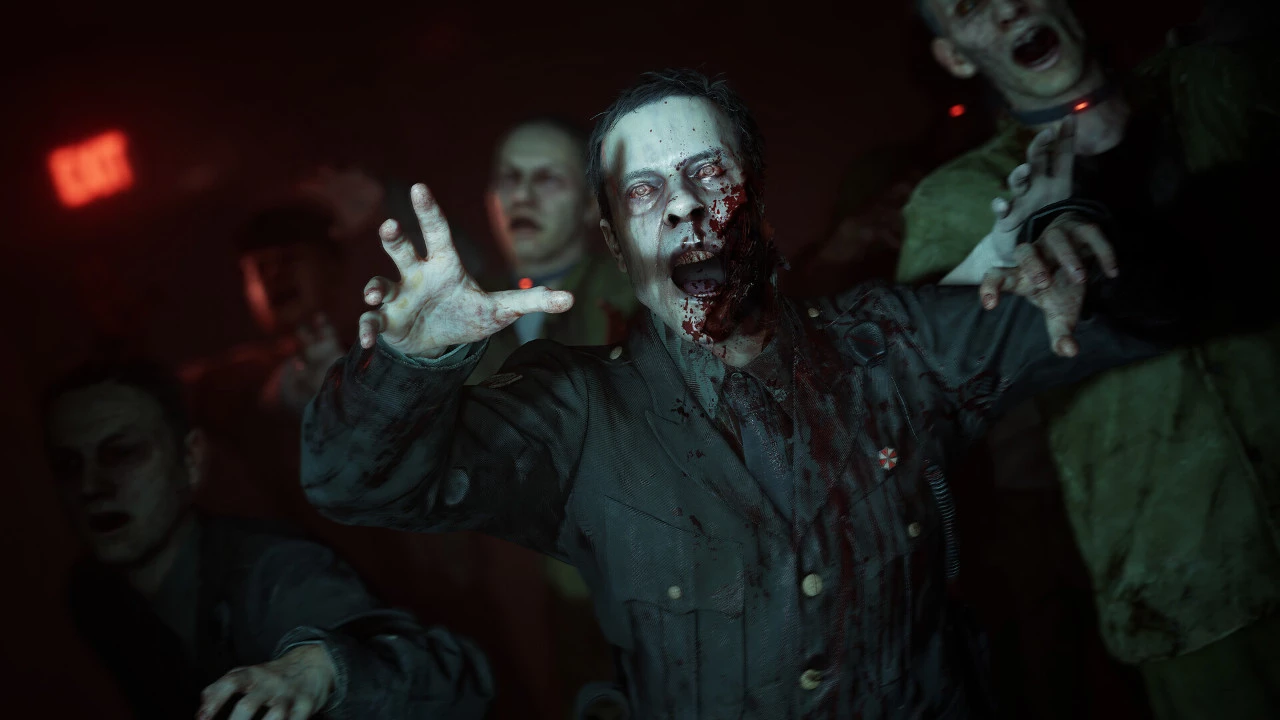
Japanese gaming giant Capcom has announced an ambitious new strategy for its flagship horror franchise, with plans to release one Resident Evil game every year. The announcement came directly from studio producer Masachika Kawata, signaling a significant acceleration in the company’s approach to one of gaming’s most beloved survival horror series. This move represents a dramatic shift from the traditional development cycle that has characterized the franchise for nearly three decades.
A New Era for Survival Horror
The decision to adopt an annual release schedule marks a pivotal moment in Resident Evil’s history. Since its inception in 1996, the franchise has typically seen gaps of two to four years between major installments, allowing development teams adequate time to innovate and refine gameplay mechanics. Capcom’s new approach suggests the company has developed sufficient infrastructure and resources to maintain quality while significantly increasing output. Industry analysts believe this strategy reflects growing confidence following the overwhelming commercial success of recent entries, including Resident Evil Village and the critically acclaimed remakes of Resident Evil 2, 3, and 4.
The original Resident Evil, released on the PlayStation in 1996, essentially defined the survival horror genre and established conventions that persist in gaming today. Created by legendary designer Shinji Mikami, the game introduced players to the infamous Spencer Mansion and the sinister Umbrella Corporation. Over the subsequent decades, the franchise has sold over 150 million copies worldwide, making it one of the best-selling video game series in history. The series has also spawned numerous film adaptations, animated features, and merchandise, cementing its place in popular culture.
Balancing Quality and Quantity
While the announcement has generated excitement among fans eager for more content, it has also raised concerns about potential quality dilution. Historically, franchises that have adopted annual release schedules, such as Call of Duty and Assassin’s Creed, have faced criticism for repetitive gameplay and creative stagnation. However, Capcom appears to have learned from both its own history and the experiences of other publishers. The company’s recent track record suggests a sophisticated understanding of what makes Resident Evil compelling, successfully balancing nostalgia-driven remakes with innovative new entries.
Producer Kawata’s involvement in this strategic decision carries significant weight within the gaming community. As a veteran Capcom producer who has overseen numerous Resident Evil projects, his endorsement of the annual release model suggests careful planning and resource allocation. The company likely intends to alternate between full-scale new installments, remakes of beloved classics, and potentially smaller-scale spin-off projects to maintain the ambitious schedule without exhausting any single development team.
Industry Implications and Fan Expectations
Capcom’s announcement comes at a time when the gaming industry is grappling with rising development costs and longer production timelines. Many major publishers have struggled to maintain consistent release schedules while meeting player expectations for graphical fidelity and gameplay depth. Capcom’s ability to potentially deliver annual Resident Evil content could set a new benchmark for franchise management in the AAA gaming space. The company has already demonstrated exceptional efficiency with its RE Engine technology, which has powered multiple successful titles across different franchises including Devil May Cry 5 and Monster Hunter Rise.
For dedicated fans of the series, the prospect of annual releases presents both opportunities and uncertainties. The Resident Evil community has long speculated about potential remakes of fan-favorite entries like Code: Veronica and Resident Evil Zero, as well as the continuation of the main storyline following the events of Village. An accelerated release schedule could mean these highly anticipated projects reach players sooner than previously expected. However, maintaining the atmospheric tension, intricate puzzle design, and narrative depth that define the franchise will be crucial to sustaining long-term fan engagement and commercial success.
Expert Opinion: Capcom’s annual release strategy for Resident Evil represents a calculated gamble that could redefine franchise management in modern gaming. If successful, this approach may establish a new industry template where major publishers leverage advanced game engines and parallel development teams to sustain beloved franchises without sacrificing quality. The key to success will be Capcom’s ability to diversify content types—mixing remakes, mainline entries, and experimental spin-offs—to prevent franchise fatigue while capitalizing on Resident Evil’s unprecedented momentum.