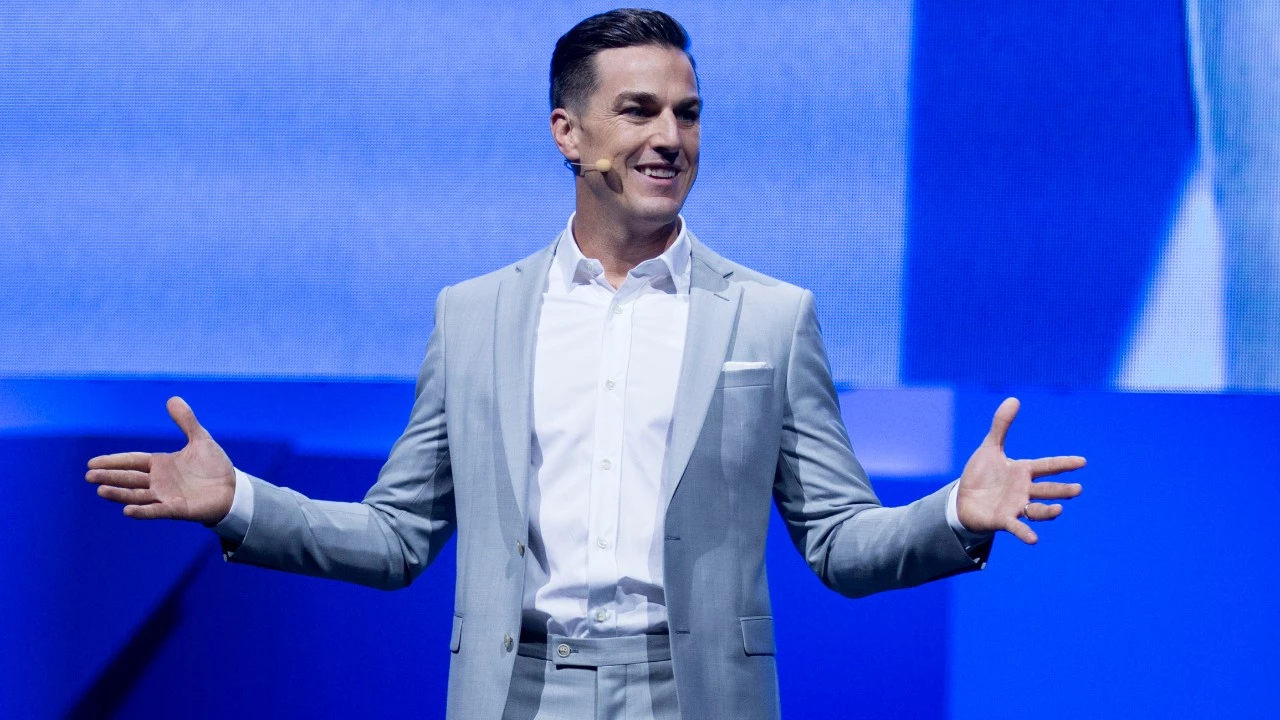
The gaming industry is once again embroiled in controversy as executive compensation packages come under intense scrutiny from players and industry observers alike. This time, the spotlight has fallen on Electronic Arts CEO Andrew Wilson, who reportedly received a staggering $38 million bonus following the success of the Battlefield franchise, even as the company continued to reduce its workforce, including developers who worked on the very games generating those profits.
Key Points
- EA CEO Andrew Wilson reportedly received a $38 million bonus tied to Battlefield franchise performance while the company continued workforce reductions.
- The gaming industry cut an estimated 20,000 jobs globally in 2023-2024, even as major publishers reported strong revenues and profit margins.
- Battlefield 2042’s troubled launch required extensive post-launch fixes; Battlefield 6 is now positioned as EA’s franchise redemption effort.
- Worker advocacy groups and the International Game Developers Association have intensified calls for better protections amid industry instability.
- Similar executive compensation controversies have emerged at Activision Blizzard, Ubisoft, and Take-Two Interactive during the same layoff period.
The situation has ignited fierce debate across social media platforms and gaming forums, with many questioning the ethics of such substantial executive rewards during periods of significant layoffs. Critics argue that the disparity between executive compensation and the treatment of rank-and-file employees represents a troubling trend that has become increasingly common across the video game industry.
Executive Compensation Under Fire as Industry Sheds Jobs
Andrew Wilson has served as CEO of Electronic Arts since 2013, overseeing the company through significant transformations in the gaming landscape, including the rise of live-service games, mobile gaming expansion, and the increasing importance of microtransactions. Under his leadership, EA has seen mixed results, with some franchises thriving while others have struggled to meet expectations. His total compensation package, which includes base salary, stock options, and performance bonuses, has consistently ranked among the highest in the gaming industry.
The $38 million bonus comes at a particularly sensitive time for EA and the broader gaming industry. Over the past two years, the sector has experienced unprecedented waves of layoffs, with tens of thousands of developers, artists, designers, and support staff losing their jobs at major publishers and studios. EA itself has not been immune to these cuts, having announced multiple rounds of workforce reductions that affected employees across various departments and projects, including those working on the highly anticipated Battlefield 6.
Battlefield's Revival Built by Developers Now Gone
| Company | Situation |
|---|---|
| Electronic Arts | $38M bonus to CEO amid ongoing layoffs |
| Activision Blizzard | Similar executive enrichment during workforce cuts |
| Ubisoft | Executive pay scrutiny amid employee hardship |
| Take-Two Interactive | Compensation controversies during industry layoffs |
The Battlefield franchise has been a cornerstone of EA’s portfolio for over two decades, with the series debuting in 2002 with Battlefield 1942. The franchise has sold tens of millions of copies worldwide and has been a consistent revenue generator for the company. However, recent entries have had rocky launches, with Battlefield 2042 in particular facing significant criticism from fans and requiring extensive post-launch support to address player concerns. The development of Battlefield 6 has been viewed as a critical opportunity for EA to restore the franchise’s reputation and recapture market share in the competitive first-person shooter genre.
Industry analysts note that the success Wilson is being rewarded for was built on the creative work and dedication of the very developers who have since been let go. This disconnect between corporate profits and worker security has become a defining issue in gaming, with unions and worker advocacy groups increasingly calling for better protections and more equitable distribution of company success. The International Game Developers Association has repeatedly highlighted the instability facing workers in the industry, even at the most profitable companies.
Major Publishers Share the Same Troubling Trend
EA is far from alone in this pattern of executive enrichment amid employee hardship. Similar controversies have surrounded leaders at Activision Blizzard, Ubisoft, Take-Two Interactive, and numerous other major publishers. In 2023 and 2024 alone, the gaming industry shed an estimated 20,000 jobs globally, even as many of these same companies reported record revenues and healthy profit margins. The juxtaposition has led to growing calls for regulatory oversight and industry reform.
Some industry veterans argue that these compensation structures are simply reflective of broader corporate practices across all sectors, while others contend that the creative and passionate nature of game development makes the disparity feel particularly egregious. Players, too, have expressed their frustration, with some calling for boycotts and others questioning whether the games they love are worth supporting when the people who make them are treated as expendable resources. As Battlefield 6 development continues, the controversy surrounding Wilson’s bonus serves as a reminder of the ongoing tension between corporate success and worker welfare in the modern gaming industry.
The Widening Gap Between Corner Offices and Dev Floors
The timing of Wilson’s bonus crystallizes a structural problem the gaming industry has failed to address. Developers who shipped Battlefield titles and kept live-service games running are being shown the door while performance metrics reward executives at historic levels. This isn’t unique to EA—it’s the default operating model across major publishers, where headcount is treated as a variable cost to protect margins that feed executive bonuses.
For players, the calculus is shifting. Calls for boycotts rarely dent sales figures, but sustained negative sentiment can erode brand loyalty over product cycles. Battlefield 6 arrives carrying not just the weight of 2042’s rocky launch but also the optics of being developed by a workforce that watched colleagues get cut while leadership cashed eight-figure checks.
The unionization pressure building across the industry may be the more consequential long-term story. Studios at Activision Blizzard and Sega have already organized, and each high-profile compensation disparity adds momentum. If talent retention becomes difficult enough, publishers may find that short-term cost savings from layoffs create longer development cycles and quality issues that hurt future bonuses.
Common Questions
How much did EA CEO Andrew Wilson receive as a bonus?
Wilson reportedly received a $38 million bonus connected to the Battlefield franchise’s performance. This is part of a total compensation package that includes base salary, stock options, and performance bonuses, consistently ranking among the highest in gaming.
How many gaming industry jobs were lost in 2023 and 2024?
The gaming industry shed an estimated 20,000 jobs globally during 2023 and 2024. These cuts occurred at major publishers even while many of these companies reported record revenues and healthy profit margins.
When did the Battlefield franchise first launch?
The Battlefield series debuted in 2002 with Battlefield 1942. The franchise has sold tens of millions of copies over two decades and remains a core revenue generator for EA despite recent entries facing launch difficulties.
Expert Opinion: The pattern of substantial executive bonuses during periods of mass layoffs reflects a fundamental misalignment between shareholder-driven metrics and sustainable game development. Industry analysts predict that without meaningful changes to compensation structures and worker protections, the gaming sector will continue to face talent retention challenges and potential unionization efforts that could reshape how major publishers operate in the coming decade.