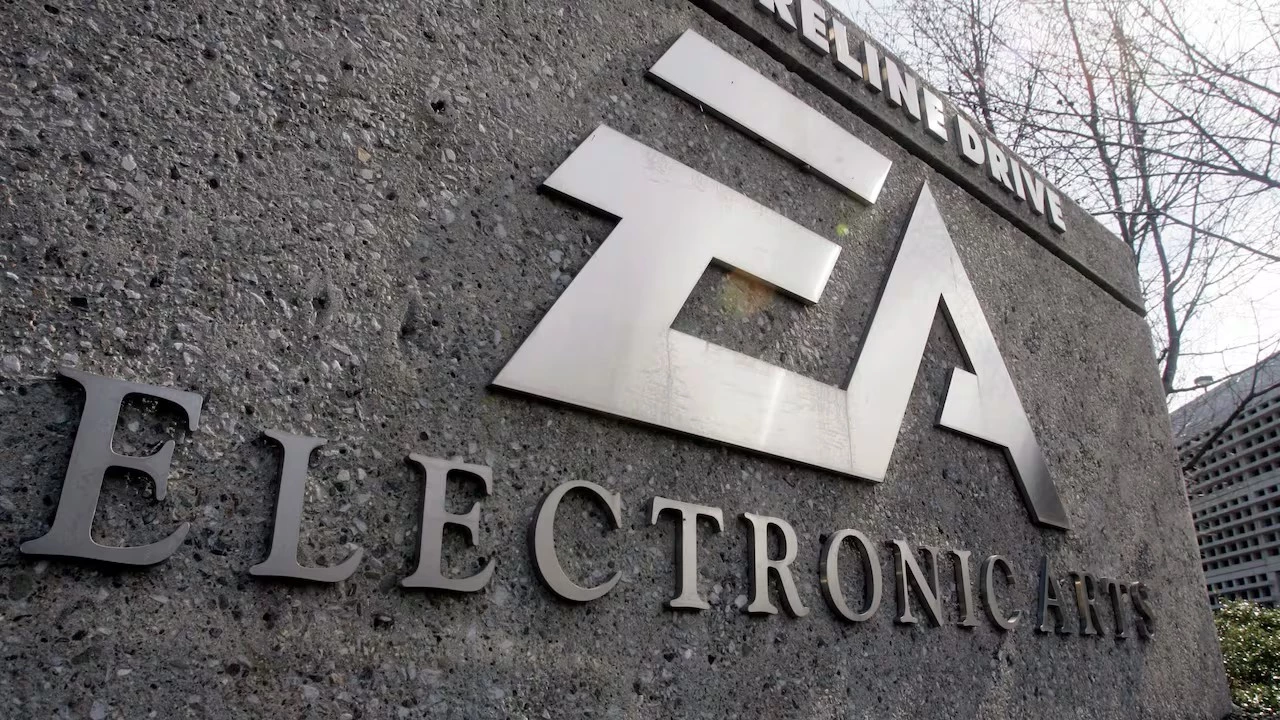
In what represents one of the largest acquisitions in entertainment history, Saudi Arabia’s Public Investment Fund (PIF), alongside investment partners Silver Lake and Affinity Partners, has officially completed the purchase of Electronic Arts for a staggering $55 billion. This landmark transaction signals a dramatic shift in the global gaming landscape and underscores the Middle Eastern kingdom’s aggressive push to diversify its economy beyond oil dependency.
The deal brings one of the world’s most recognizable gaming publishers under new ownership, transferring control of beloved franchises including FIFA (now EA Sports FC), Madden NFL, The Sims, Battlefield, and Apex Legends to the Saudi-led consortium. Electronic Arts, founded in 1982 by Trip Hawkins, has been a cornerstone of the gaming industry for over four decades, pioneering sports simulation games and building a portfolio that generates billions in annual revenue.
Strategic Vision Behind the Acquisition
The Public Investment Fund, which manages assets exceeding $700 billion, has been systematically building a portfolio of gaming investments as part of Saudi Arabia’s Vision 2030 initiative. This comprehensive economic reform plan, championed by Crown Prince Mohammed bin Salman, aims to reduce the kingdom’s reliance on petroleum exports by developing robust entertainment, tourism, and technology sectors. The EA acquisition represents the crown jewel in PIF’s gaming strategy, which already includes significant stakes in Nintendo, Activision Blizzard, and Take-Two Interactive.
Silver Lake, the technology-focused private equity giant known for its investments in Dell Technologies and Twitter, brings substantial operational expertise to the partnership. Meanwhile, Affinity Partners, led by former Trump administration official Jared Kushner, adds political connections and deal-making experience to the consortium. Industry analysts suggest this combination of sovereign wealth, private equity resources, and strategic relationships positions the new ownership group to potentially reshape EA’s business model and global expansion plans.
Industry Implications and Market Reaction
The gaming industry has been experiencing unprecedented consolidation in recent years. Microsoft’s $69 billion acquisition of Activision Blizzard in 2023 set the stage for mega-deals, while Sony and Tencent have similarly pursued aggressive acquisition strategies. The EA transaction, however, introduces a new dynamic: direct sovereign wealth fund control over a major Western gaming publisher. This raises questions among industry observers about potential content moderation, regional market priorities, and the broader geopolitical implications of foreign government ownership of cultural products consumed by hundreds of millions worldwide.
Electronic Arts employs approximately 13,000 people globally, with major studios in the United States, Canada, Europe, and Asia. The company reported revenues of $7.4 billion in its most recent fiscal year, driven primarily by its live service games and annual sports title releases. Under new ownership, speculation abounds regarding potential headquarters relocation, expansion into the Saudi market, and development of region-specific content. Some industry veterans have expressed concern about creative independence, while others view the capital injection as an opportunity for EA to compete more aggressively with rivals like Microsoft, Sony, and emerging Chinese gaming giants.
The Future of Gaming Under New Ownership
As the gaming industry continues its trajectory toward a $200 billion annual market, the EA acquisition demonstrates that sovereign wealth funds view interactive entertainment as a strategic asset worthy of massive investment. The deal also reflects Saudi Arabia’s ambition to become a global gaming hub, with plans to host major esports tournaments and develop domestic game development talent. Whether this ownership transition will benefit gamers, developers, and shareholders remains to be seen, but the transaction undeniably marks a watershed moment in the convergence of geopolitics, finance, and digital entertainment.
Expert Opinion: This acquisition fundamentally alters the competitive dynamics of the gaming industry by introducing direct sovereign wealth participation at an unprecedented scale. We anticipate increased regulatory scrutiny in Western markets regarding foreign government ownership of cultural IP, while simultaneously expecting accelerated investment in Middle Eastern gaming infrastructure. The long-term success of this deal will depend on whether the new ownership can balance commercial objectives with creative independence and navigate increasingly complex geopolitical tensions surrounding digital content.