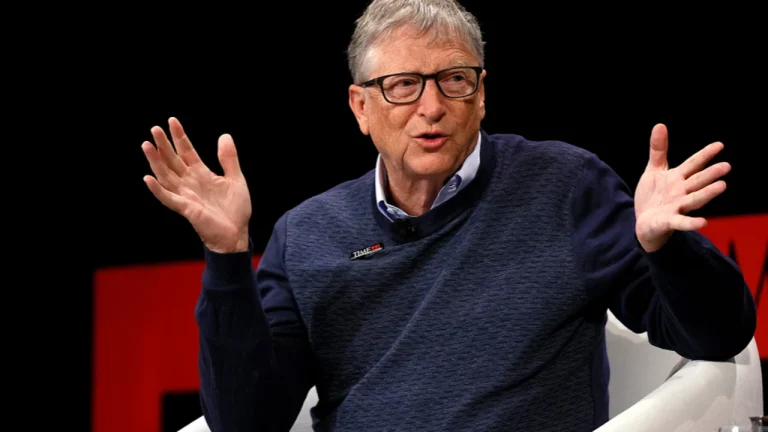

Take-Two Interactive, the publisher behind blockbuster franchises like Grand Theft Auto and NBA 2K, is betting heavily on cloud gaming as the future of the industry. Company CEO Strauss Zelnick recently made a bold prediction that within the next three years, the majority of gamers will be playing through cloud streaming services rather than on traditional hardware. This forecast comes amid rising concerns about escalating hardware costs and accessibility barriers in the gaming market.
Zelnick’s statement reflects a growing consensus among industry leaders that cloud gaming represents the next major paradigm shift in how players access and experience video games. The executive specifically pointed to the continuously increasing prices of gaming hardware as a primary driver that will push consumers toward streaming alternatives. With high-end gaming PCs now regularly exceeding $1,500 and next-generation consoles maintaining premium price points, many potential gamers find themselves priced out of the traditional gaming ecosystem.
The Economics Behind the Cloud Gaming Push
The financial logic behind Zelnick’s prediction is compelling when examining current market trends. Graphics cards, which are essential components for PC gaming, have seen dramatic price increases over the past several years due to semiconductor shortages, cryptocurrency mining demand, and inflation. The NVIDIA RTX 4090, currently the flagship consumer graphics card, launched at $1,599 — a price point that would have been unthinkable just a decade ago. Meanwhile, the PlayStation 5 and Xbox Series X both debuted at $499, and price reductions have been minimal compared to previous console generations.
Cloud gaming eliminates these hardware barriers by shifting the computational burden to remote servers. Services like Xbox Cloud Gaming, NVIDIA GeForce NOW, and Amazon Luna allow players to stream AAA titles on devices as basic as smartphones or budget laptops. For Take-Two, which publishes some of the most graphically demanding games on the market, this technology could dramatically expand their potential customer base to include millions who cannot afford cutting-edge hardware.
Industry Context and Competitive Landscape
Take-Two’s optimism about cloud gaming aligns with significant investments being made across the industry. Microsoft has been particularly aggressive in this space, integrating cloud streaming into its Xbox Game Pass subscription service. Google’s Stadia, despite its recent shutdown, helped prove the technical viability of cloud gaming at scale, and its failure has been attributed more to business model issues than technological limitations. Amazon, NVIDIA, and Sony continue to develop and expand their respective cloud gaming platforms, suggesting that major tech companies see long-term potential in the sector.
Historical precedent supports the idea that convenience and accessibility eventually triumph over raw performance in consumer technology. The music industry’s shift from physical media to streaming services like Spotify serves as a frequently cited parallel. Similarly, video streaming has largely replaced physical disc ownership for movies and television. Gaming industry analysts have long debated whether games would follow a similar trajectory, and executives like Zelnick appear increasingly confident that this transition is imminent.
Challenges and Skepticism Remain
Despite the optimistic projections, cloud gaming still faces significant hurdles that could delay widespread adoption. Internet infrastructure remains inadequate in many regions, with latency and bandwidth limitations creating subpar experiences for fast-paced competitive games. Input lag, even measured in milliseconds, can be the difference between victory and defeat in titles that require precise timing. Additionally, many gamers remain attached to the concept of ownership and are skeptical of subscription-based models that could see games disappear from libraries without warning.
Nevertheless, Take-Two’s strategic positioning suggests the company is preparing for multiple futures. By developing games that can scale across different platforms and delivery methods, the publisher aims to capture audiences regardless of how they choose to play. If Zelnick’s three-year timeline proves accurate, the gaming landscape could look dramatically different by 2028, with cloud services rivaling or surpassing traditional console and PC gaming in market share.
Expert Opinion: While Zelnick’s three-year timeline may be optimistic given current infrastructure limitations, the direction of travel is clear. Cloud gaming will likely become a significant complementary option rather than a complete replacement for traditional hardware by 2028. Publishers who position themselves for this hybrid future — supporting both local and streamed gameplay — will be best positioned to capture the expanding global gaming audience.