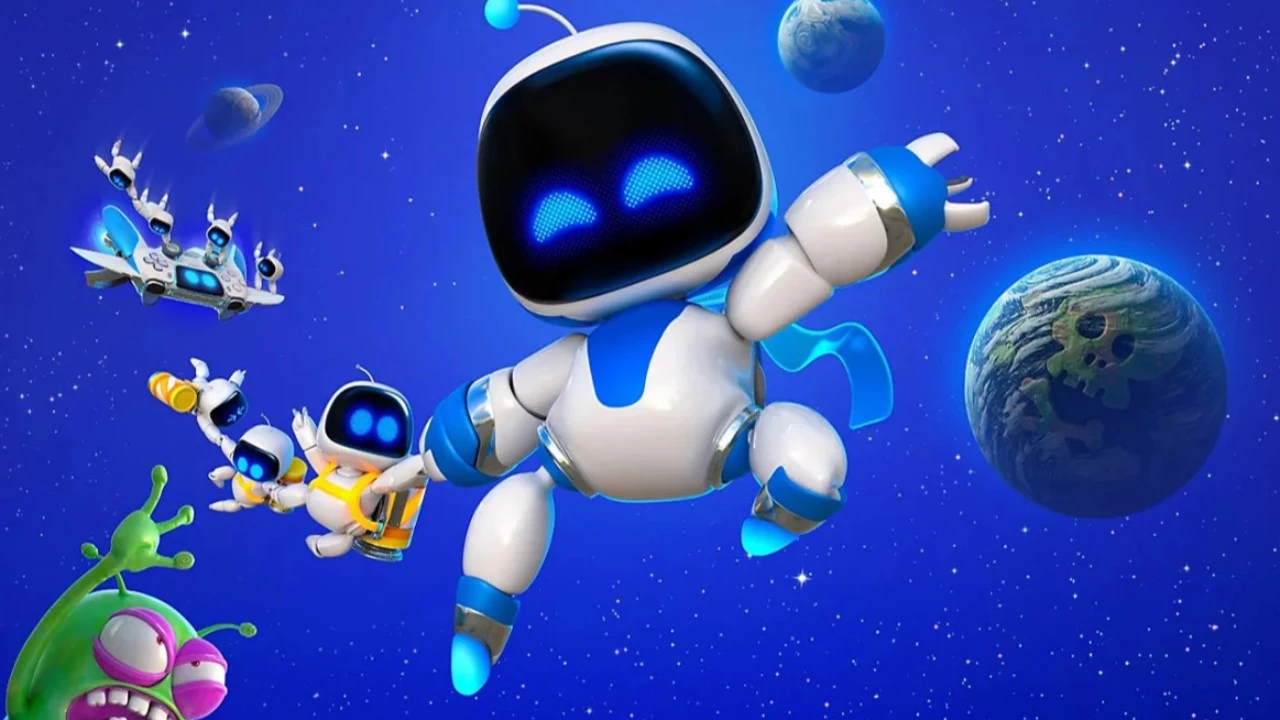
Sony Creative Products has set its sights on an ambitious goal: creating a global mascot character capable of competing with Sanrio’s legendary Hello Kitty in the lucrative world of pop culture merchandise and brand licensing. The Japanese electronics and entertainment giant is reportedly looking beyond its existing intellectual properties, suggesting that current candidates like the adorable robot Astro Bot from PlayStation’s critically acclaimed game may not possess the universal appeal needed to capture hearts worldwide and generate the billions in merchandise revenue that Hello Kitty commands.
The announcement signals Sony’s recognition of a significant gap in its portfolio. While the company excels in gaming, music, and film, it lacks a standalone character brand that transcends individual product categories and appeals to consumers regardless of whether they own Sony products. Hello Kitty, created by Sanrio in 1974, has become a cultural phenomenon worth an estimated $80 billion in lifetime retail sales, appearing on everything from toasters to luxury fashion items, demonstrating the enormous commercial potential of a beloved mascot character.
The Challenge of Building a Universal Character Brand
Creating a mascot with global appeal is considerably more challenging than it might appear. Hello Kitty’s success stems from several unique factors: her deliberately simple design allows for endless adaptations, her lack of a mouth lets consumers project their own emotions onto her, and decades of careful brand management have maintained her relevance across generations. Sony’s attempt to find or create a competitor must navigate these same complexities while establishing something genuinely new and distinctive in an already crowded character marketplace.
Astro Bot, the small robot protagonist of PlayStation’s acclaimed platforming games, seemed like a natural candidate for mascot status. The character garnered critical praise following the 2024 release of “Astro Bot” for PlayStation 5, which earned numerous Game of the Year awards and demonstrated Sony’s ability to create charming, family-friendly content. However, the character’s strong association with PlayStation gaming hardware apparently limits its appeal to non-gaming audiences — a crucial demographic for merchandise success. Unlike Hello Kitty, who exists independently of any product category, Astro Bot is fundamentally tied to video game culture.
Sony’s Strategic Position in Character Licensing
Sony Creative Products, the division responsible for this initiative, handles character licensing and merchandise development across the Sony corporate family. The company has access to a vast library of intellectual properties from PlayStation games, Sony Pictures films, and Sony Music artists. However, most of these properties are tied to specific entertainment products rather than existing as standalone character brands. The search for a Hello Kitty competitor suggests Sony may be looking to develop something entirely new — a character designed from the ground up for maximum merchandise potential and cross-demographic appeal.
Industry analysts note that the character merchandise market in Japan alone exceeds $20 billion annually, with global figures significantly higher. Sanrio, despite Hello Kitty being nearly 50 years old, continues to generate substantial revenue from the character, demonstrating the long-term value of successful mascot development. For Sony, successfully entering this space could provide a stable revenue stream less dependent on the cyclical nature of hardware releases and entertainment production. The company’s diverse business units could also provide unique promotional opportunities, though care would need to be taken to ensure any new mascot maintains broad appeal rather than becoming associated with any single Sony product line.
Looking Ahead: The Road to Mascot Success
Sony has not disclosed specific plans for developing this potential Hello Kitty rival, leaving industry observers to speculate about whether the company will create an entirely new character, acquire an existing property, or attempt to elevate one of its lesser-known intellectual properties. The timeline for such an initiative would likely span years rather than months, as building genuine emotional connections with global audiences requires sustained investment in character development, storytelling, and strategic brand positioning. Whatever approach Sony chooses, the company faces the formidable challenge of capturing lightning in a bottle — creating something that resonates universally in an age of fragmented attention and countless competing entertainment options.
Expert Opinion: Sony’s pursuit of a Hello Kitty competitor reflects a broader industry trend toward character-based intellectual property as a stable revenue foundation. Success will require Sony to create a character that transcends its gaming and electronics roots — a significant challenge given the company’s brand identity. The most likely path forward involves developing an entirely new character specifically designed for merchandise appeal, possibly leveraging Sony’s animation studios for storytelling while keeping the character independent from any specific product ecosystem.