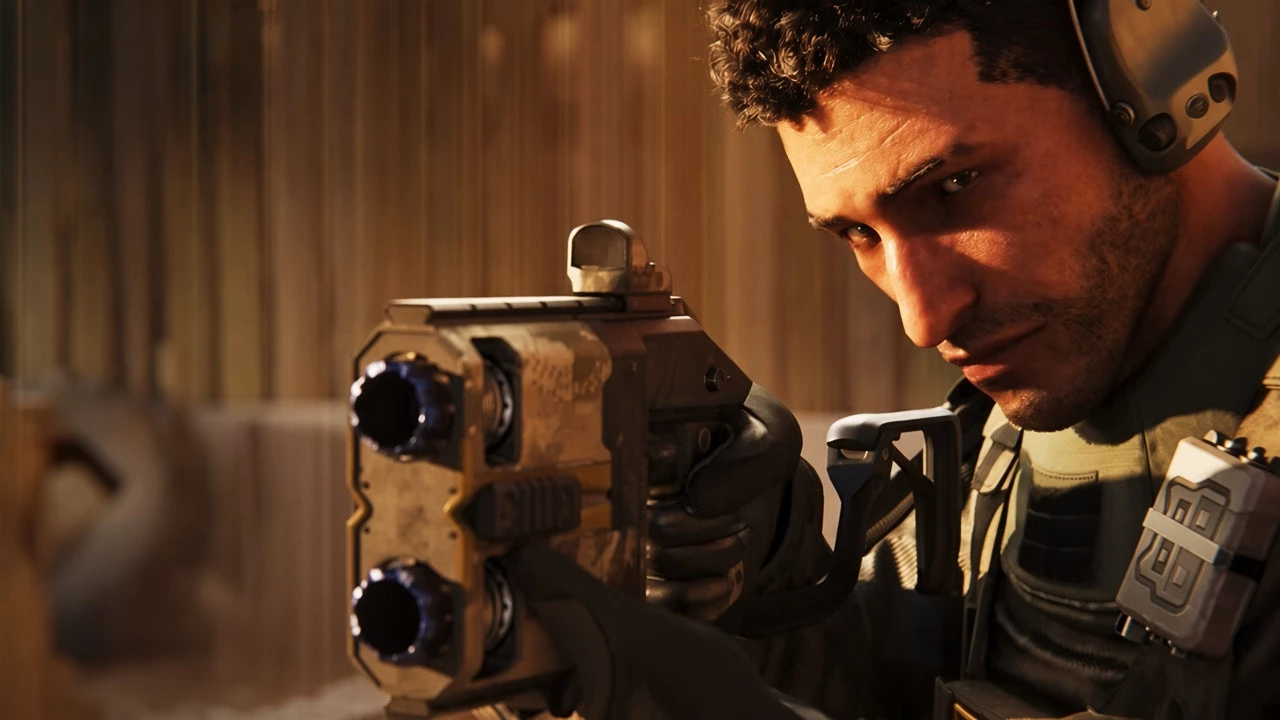
Ubisoft has officially announced the third season of Rainbow Six Siege’s Year 11 support cycle, titled Operation Split Fire, which is set to launch on September 1. The highlight of this upcoming content drop is the introduction of a brand new defending operator named Nour, hailing from Egypt. This marks another significant addition to the game’s ever-expanding roster of tactical specialists, continuing Ubisoft’s commitment to keeping the competitive shooter fresh and engaging for its dedicated player base.
The announcement has generated considerable excitement within the Rainbow Six Siege community, particularly due to Nour’s unique gadget — a fire-based grenade launcher that promises to add new strategic dimensions to defensive gameplay. This incendiary weapon system is expected to provide defenders with enhanced area denial capabilities, allowing teams to control chokepoints and prevent attackers from executing their strategies with impunity.
Egypt Joins the Rainbow Six Siege Universe
Nour represents the first Egyptian operator to join the Rainbow Six Siege roster, expanding the game’s already diverse international lineup of counter-terrorism specialists. Egypt has a long history of elite military and counter-terrorism units, including the famous Unit 777, which has been involved in numerous high-profile operations since its formation in 1978. By adding an Egyptian operator, Ubisoft continues its tradition of celebrating special forces units from around the globe while introducing players to new tactical possibilities.
Rainbow Six Siege has built its reputation on featuring operators from various countries and special operations units, creating a unique blend of real-world military inspiration and creative game design. Each operator brings not only their own gadgets and abilities but also rich backstories that connect them to their home nations’ military traditions. The addition of Nour adds to this tapestry of international cooperation in the fight against terrorism.
Year 11 Continues Strong Support
Operation Split Fire marks the third major content update for Year 11, demonstrating Ubisoft’s ongoing dedication to Rainbow Six Siege despite the game originally launching back in December 2015. Over nearly a decade of continuous updates, the tactical shooter has grown from a niche title to one of the most popular competitive games in the world, boasting millions of active players and a thriving esports scene. The game’s longevity can be attributed to Ubisoft’s seasonal content model, which regularly introduces new operators, maps, and gameplay refinements.
The fire-based gadget carried by Nour suggests that Ubisoft is exploring new mechanics related to environmental hazards and area control. Fire has been a relatively underutilized element in Rainbow Six Siege compared to other tactical shooters, making this addition particularly intriguing for veteran players looking for fresh strategies. The grenade launcher format indicates that Nour will be able to deploy her incendiary devices at range, potentially creating interesting synergies with other defending operators who excel at fortifying positions.
As September 1 approaches, players can expect Ubisoft to reveal more details about Nour’s complete loadout, statistics, and the specific mechanics of her fire grenade launcher. The company typically hosts test server periods before major updates go live, giving the community an opportunity to provide feedback and allowing developers to make balance adjustments. Rainbow Six Siege’s competitive integrity depends on carefully balanced operators, and the introduction of a powerful new area denial tool will likely receive significant scrutiny from both casual players and professional esports competitors.
Expert Opinion: The introduction of fire-based mechanics through Nour’s grenade launcher could fundamentally shift the meta-game dynamics in Rainbow Six Siege, particularly in professional play where area denial is already crucial. This addition suggests Ubisoft is willing to experiment with more aggressive defensive tools, which may lead to faster-paced rounds as attackers face increased pressure to execute quickly before defensive positions become impenetrable.