The gaming world is witnessing another remarkable demonstration of cracking prowess as the notorious hacker known as voices38 has successfully bypassed the copy protection on Ubisoft’s newly released Assassin’s Creed Black Flag Resynced. This latest crack comes mere days after the remastered title hit store shelves, continuing a pattern of rapid-fire breakthroughs that has sent shockwaves through the digital rights management industry. The timing is particularly significant given that the gaming community had barely recovered from the July crack of Assassin’s Creed Shadows, which had managed to hold out for a record-breaking sixteen months before succumbing to the same hacker’s efforts.
The speed at which voices38 has been dismantling major game protections has become a topic of intense discussion among both gaming enthusiasts and cybersecurity experts. While Assassin’s Creed Shadows’ sixteen-month defense was considered an impressive achievement for Denuvo, the industry’s leading anti-tamper technology, the rapid fall of Black Flag Resynced suggests that once a protection system’s vulnerabilities are understood, subsequent titles using similar frameworks become increasingly easier to compromise. This pattern has been observed repeatedly in the ongoing cat-and-mouse game between publishers and the cracking community.
The History of DRM in the Assassin’s Creed Franchise
Ubisoft has long been at the forefront of implementing aggressive digital rights management solutions to protect its flagship titles. The Assassin’s Creed franchise, being one of the company’s most valuable intellectual properties, has consistently received the strongest available protection measures. Over the years, the series has employed various iterations of Denuvo Anti-Tamper technology, which works by encrypting executable files and requiring constant verification. However, the effectiveness of these measures has been increasingly questioned as crackers develop more sophisticated methods and share knowledge within their communities.
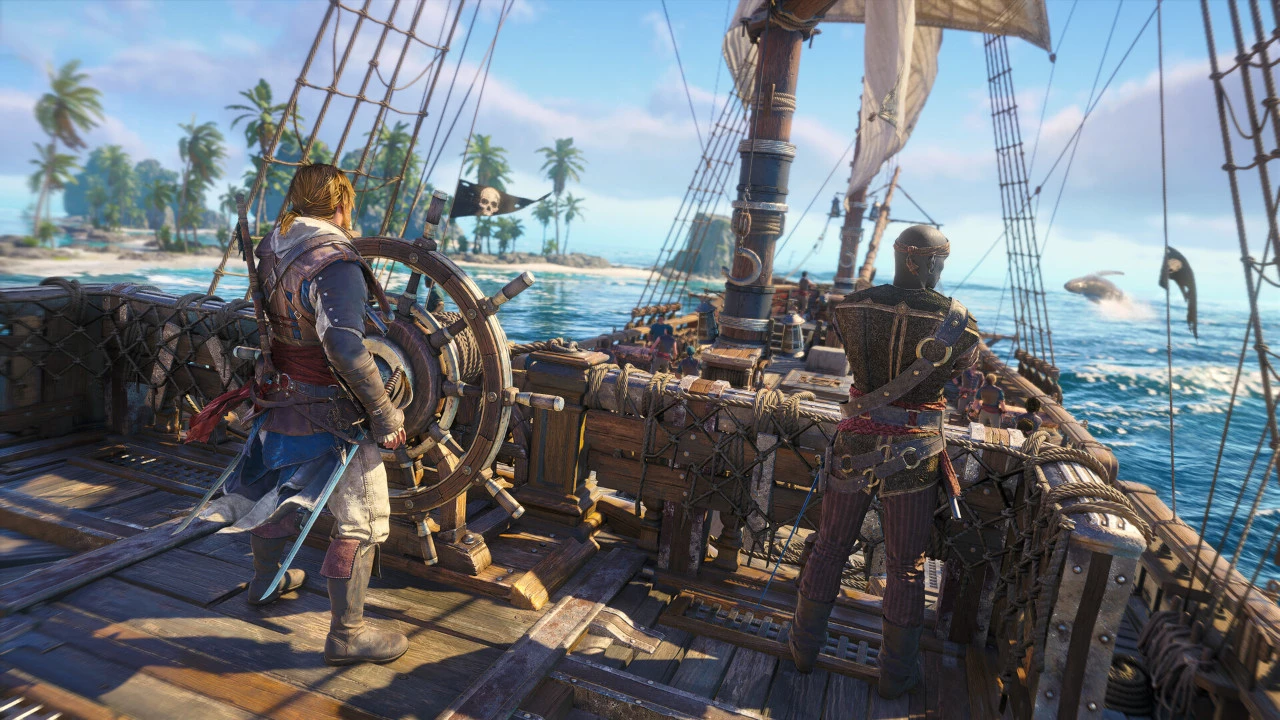
The original Assassin’s Creed IV: Black Flag, released in 2013, was set during the golden age of Caribbean piracy and became one of the most beloved entries in the franchise. The remastered version, Black Flag Resynced, promised enhanced graphics, improved gameplay mechanics, and modernized features for current-generation consoles and PC. Ubisoft likely hoped that the updated protection on this remaster would provide a longer window of protection to maximize sales during the crucial launch period. The swift crack, however, has undermined these expectations.
Impact on the Gaming Industry and Publisher Strategies
The implications of voices38’s consistent success extend far beyond individual game titles. Publishers invest significant resources in licensing DRM solutions, with industry estimates suggesting that major releases can spend anywhere from $100,000 to several hundred thousand dollars on anti-piracy measures alone. When these protections fall within days of release, it raises serious questions about the return on investment for such expenditures. Some industry analysts have begun advocating for alternative approaches, such as focusing on online services, regular content updates, and competitive pricing rather than relying solely on technical barriers.
The cracking scene itself has evolved considerably over the past decade. What was once a fragmented community of individual actors has become a more organized ecosystem with established reputations and competitive dynamics. Hackers like voices38 have gained almost celebrity status within these circles, with their releases generating significant attention and discussion across gaming forums and social media platforms. This visibility, while controversial, has sparked broader conversations about digital ownership, consumer rights, and the ethics of copy protection in an increasingly digital marketplace.
Looking Ahead: The Future of Game Protection
As the battle between publishers and crackers continues, both sides are likely to escalate their efforts. Denuvo and similar companies are constantly working on improved versions of their technology, while the cracking community continues to refine its techniques. Some publishers have experimented with removing DRM from their games entirely after a certain period, acknowledging that protection serves its primary purpose during the initial sales window. Others have moved toward service-based models where the game requires online connectivity, making traditional cracking methods less effective but also frustrating legitimate customers with always-online requirements.
For Ubisoft specifically, the rapid compromise of Black Flag Resynced may prompt a reevaluation of their protection strategy for upcoming titles. The company has several major releases planned for the coming years, and the effectiveness of their DRM implementation will undoubtedly be scrutinized both internally and by industry observers. Whether this leads to stronger protection measures, alternative approaches, or a philosophical shift in how the company views piracy remains to be seen.
Expert Opinion: The rapid succession of cracks by voices38 signals a potential paradigm shift in the DRM landscape, where accumulated knowledge and refined techniques are rendering iterative protection updates increasingly ineffective. Publishers may need to fundamentally rethink their anti-piracy strategies, potentially pivoting toward value-added services and community engagement rather than technical barriers that inevitably fall. The era of expecting DRM to provide months of protection may be drawing to a close.