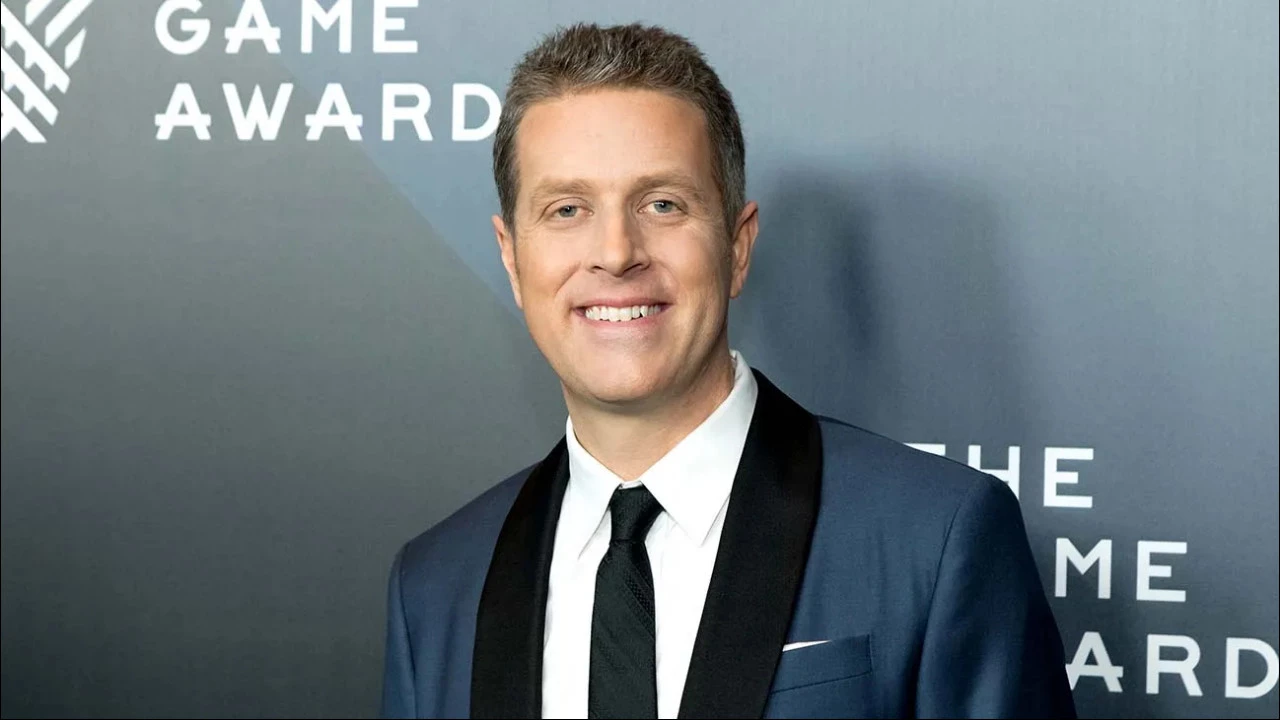
Geoff Keighley, the renowned producer and host behind some of gaming’s biggest showcase events, has pulled back the curtain on the business mechanics that power major gaming presentations. In a recent discussion about the upcoming Gamescom Opening Night Live, Keighley provided fascinating insights into how games are selected for these high-profile shows and the complex pricing structures that determine which trailers make the cut. The revelations offer a rare glimpse into an industry that typically keeps its marketing budgets and promotional strategies closely guarded.
The Business Behind Gaming’s Biggest Showcases
Gaming presentations have evolved dramatically over the past decade, transforming from simple press conferences into elaborate multimedia spectacles that attract millions of viewers worldwide. Gamescom Opening Night Live, which Keighley launched in 2019 to coincide with the massive German gaming convention, has become one of the industry’s premier platforms for announcing new titles and revealing gameplay footage. The event regularly draws viewership numbers that rival traditional entertainment award shows, making it an incredibly valuable marketing opportunity for publishers of all sizes.
According to Keighley’s explanations, the selection process for these showcases involves a delicate balance between editorial curation and commercial considerations. While he maintains creative control over the flow and pacing of the show, the reality is that securing a prime slot during these events often comes with a significant price tag. Major publishers may pay substantial fees to ensure their biggest announcements receive prominent placement, while indie developers might negotiate different arrangements based on the perceived news value of their reveals.
Pricing Structures and Industry Economics
The economics of gaming showcases have become increasingly sophisticated as the industry has matured. Premium slots during peak viewership moments command the highest prices, with some estimates suggesting that major AAA reveals during events like The Game Awards or Opening Night Live can cost publishers hundreds of thousands of dollars. These fees help offset the substantial production costs associated with mounting these elaborate presentations, which feature professional lighting, live orchestras, celebrity appearances, and cutting-edge broadcast technology.
However, Keighley has emphasized that money alone doesn’t guarantee placement. The editorial integrity of the show depends on maintaining a balance of announcements that will genuinely excite viewers. A poorly received or underwhelming trailer can damage the overall perception of the event, which in turn affects future viewership and the value proposition for all participating publishers. This creates a symbiotic relationship where both organizers and publishers have vested interests in presenting only the most compelling content.
The Evolution of Gaming Events
The landscape of gaming presentations has shifted dramatically since the early days of E3, when the Entertainment Software Association’s annual expo served as the industry’s singular major showcase. The fragmentation of major announcements across multiple events throughout the year, including Summer Game Fest, PlayStation Showcases, Nintendo Directs, and Gamescom Opening Night Live, has created a more competitive marketplace for viewer attention. This competition has driven innovation in presentation quality while also raising questions about the sustainability of the current model.
Keighley’s transparency about the business side of these events represents a notable shift toward openness in an industry that has historically been secretive about marketing expenditures. As gaming continues to grow as both an entertainment medium and a business sector, understanding the mechanics behind these showcases becomes increasingly important for developers, publishers, and consumers alike. The upcoming Gamescom Opening Night Live, scheduled to take place in Cologne, Germany, will once again serve as a testament to how far gaming presentations have come, blending journalistic coverage with commercial promotion in ways that continue to evolve with each passing year.
Expert Opinion: The gaming industry’s showcase ecosystem has reached a critical inflection point where transparency about monetization could either strengthen trust with audiences or create skepticism about editorial independence. As streaming numbers continue to rival traditional media events, expect pricing for premium announcement slots to increase further, potentially pricing out smaller studios and consolidating marketing power among major publishers. The long-term health of these events will depend on maintaining the delicate balance between commercial viability and genuine news value.