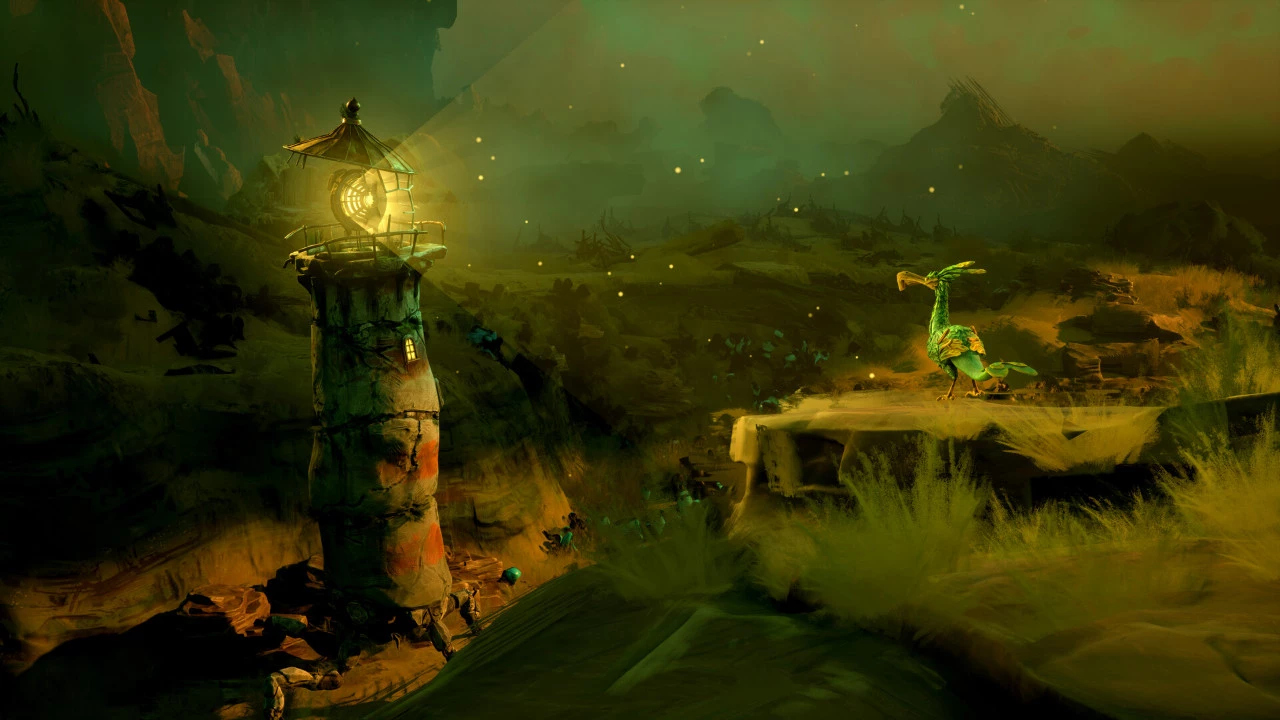
Double Fine Productions, the acclaimed video game development studio behind beloved titles such as Brutal Legend and Psychonauts, has officially confirmed that it has regained complete control over its intellectual properties and publishing licenses following its separation from Microsoft. This significant development marks a new chapter for the independent-minded studio, which has built a reputation for creating unique, imaginative gaming experiences over the past two decades.
The announcement comes as welcome news to fans of the studio’s distinctive creative output. Double Fine was acquired by Microsoft in 2019, becoming part of Xbox Game Studios during a period when the tech giant was aggressively expanding its gaming portfolio. While the acquisition provided financial stability and resources, it also meant that the studio’s intellectual properties were under the Microsoft umbrella. The return of these rights suggests that Double Fine is now positioned to chart its own course once again.
A Legacy of Creative Excellence
Founded in 2000 by industry legend Tim Schafer, Double Fine Productions has consistently pushed the boundaries of game design and storytelling. Schafer, who previously worked at LucasArts on iconic adventure games like Grim Fandango and Day of the Tentacle, established the studio with a mission to create games that prioritize artistic vision and innovative gameplay. Over the years, Double Fine has delivered critically acclaimed titles including Psychonauts, Costume Quest, Stacking, and the heavy metal-inspired action game Brutal Legend, which featured voice acting from Jack Black.
The studio gained particular attention in 2012 when it launched one of the most successful video game Kickstarter campaigns in history, raising over $3.3 million for what would become Broken Age. This demonstrated the passionate fan base that Double Fine had cultivated and proved that there was significant demand for their style of imaginative, story-driven games. The success of Psychonauts 2 in 2021, which received widespread critical acclaim and won numerous awards, further cemented the studio’s reputation as a premier creative force in the industry.
The Microsoft Era and Its Implications
When Microsoft acquired Double Fine in June 2019, it was part of a broader strategy to strengthen Xbox’s first-party development capabilities. The acquisition made sense on paper: Microsoft gained access to a studio with a proven track record of creative excellence, while Double Fine received the financial backing needed to complete ambitious projects like Psychonauts 2. However, questions always lingered about how an independent-spirited studio like Double Fine would fare under corporate ownership.
The gaming industry has witnessed numerous examples of talented studios struggling after acquisition by larger companies. Creative freedom, which is essential for studios known for their unique artistic vision, can sometimes be compromised when corporate interests take precedence. The fact that Double Fine has now separated from Microsoft and regained its intellectual property rights suggests that the studio is ready to return to its roots as an independent developer, capable of making decisions without corporate oversight.
What This Means for the Future
The return of publishing rights and intellectual property control opens up numerous possibilities for Double Fine. The studio could potentially revisit beloved franchises, explore new distribution partnerships, or even return to crowdfunding for experimental projects. For fans, this news raises exciting possibilities about what Tim Schafer and his team might create when freed from the constraints of working within a major corporation’s ecosystem.
Industry analysts suggest that this move reflects a broader trend in the gaming industry, where creative studios are increasingly seeking independence to maintain their unique identities. As the gaming market becomes more competitive and players demand more innovative experiences, studios like Double Fine that prioritize creativity over commercial formulas may find themselves better positioned to succeed. The coming months will likely reveal more details about Double Fine’s plans and what this newfound independence means for their upcoming projects.
Expert Opinion: Double Fine’s separation from Microsoft and the recovery of its IP rights represents a significant win for creative independence in gaming. With Tim Schafer’s team now free to pursue passion projects without corporate constraints, we can expect the studio to potentially explore more experimental concepts and possibly revive dormant franchises that fans have long requested. This move may also inspire other acquired studios to negotiate similar exit arrangements when corporate partnerships no longer serve their creative visions.