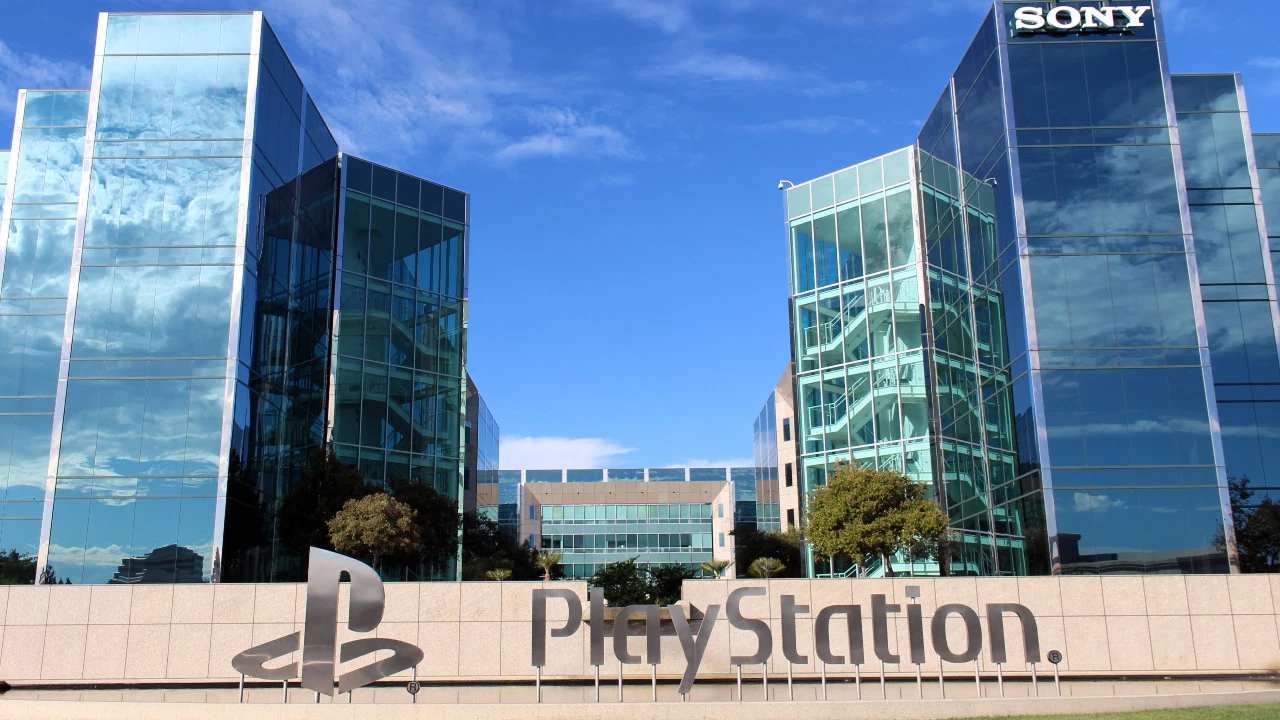
The PlayStation gaming community has launched a significant protest against Sony, organizing a week-long boycott campaign under the hashtag #PSBlackout. The movement, which encourages PlayStation owners to avoid using their consoles and making purchases through the PlayStation Store, represents one of the most organized consumer protests in recent gaming history. Frustrated players are demanding that Sony address various concerns regarding pricing, service quality, and corporate policies that they feel have increasingly prioritized profits over player satisfaction.
The boycott comes at a time when tensions between gaming corporations and their customer bases have reached unprecedented levels across the industry. PlayStation users have expressed growing frustration with Sony’s pricing strategies, particularly regarding game prices that have climbed to $70 for standard editions, along with subscription costs for PlayStation Plus that many feel no longer offer adequate value. The #PSBlackout campaign represents a coordinated effort to hit Sony where it theoretically hurts most — their revenue streams and engagement metrics.
Sony’s Response Highlights Corporate-Consumer Disconnect
Perhaps most notable about this situation is Sony’s apparent indifference to the boycott movement. Industry observers have pointed out that the company’s response — or lack thereof — serves as a stark reminder of the power imbalance between major corporations and their consumer bases. Sony’s silence on the matter has been interpreted by many protesters as a dismissive attitude, essentially communicating that individual consumers hold little leverage against a multi-billion dollar entertainment conglomerate. This perception has only fueled further resentment within the gaming community.
The history of gaming boycotts offers mixed results for organizers hoping to effect change. Previous attempts to boycott major gaming companies, including campaigns against Electronic Arts and Activision Blizzard, have largely failed to produce significant corporate policy changes. Gaming industry analysts suggest that boycotts face an uphill battle because passionate gamers often find it difficult to completely disconnect from platforms where they’ve invested thousands of dollars in digital libraries and built extensive social connections with other players.
The Broader Context of Gaming Industry Tensions
The PlayStation boycott exists within a broader context of increasing consumer activism in the gaming industry. Recent years have seen players pushing back against various practices including aggressive monetization schemes, the proliferation of microtransactions, and what many perceive as declining quality in major releases. The rise of subscription services and the gradual shift away from physical media ownership have also contributed to a sense among some gamers that they are losing control over their purchases and gaming experiences.
Sony’s PlayStation division has faced particular scrutiny following several controversial decisions, including aggressive pricing in certain regional markets and the ongoing evolution of the PlayStation Plus service. The company’s dominant position in the console market, with the PlayStation 5 significantly outselling competitors, may contribute to what critics describe as corporate complacency. When a company holds substantial market share, the incentive to respond to consumer grievances diminishes considerably, creating a frustrating dynamic for dissatisfied customers who feel they have nowhere else to turn.
What This Means for the Future of Gaming Activism
The outcome of the #PSBlackout campaign will likely serve as a case study for future consumer activism in the gaming space. Whether or not the boycott achieves its stated goals, it has succeeded in generating significant discussion about the relationship between gaming corporations and their customers. Social media platforms have amplified the movement’s reach, allowing participants to share their grievances and coordinate their efforts on a global scale. However, translating online momentum into tangible corporate policy changes remains the ultimate challenge for any consumer protest movement.
As the week-long boycott continues, industry watchers are monitoring engagement metrics and sales data for any indication of impact. The gaming industry’s shift toward digital distribution and live-service models means that companies like Sony have unprecedented access to real-time data about player behavior. Whether this data will show a meaningful dip in activity during the boycott period, and whether any such dip would be significant enough to prompt corporate response, remains to be seen. For now, the standoff between frustrated players and a seemingly unmoved corporation continues, highlighting the complex dynamics of consumer power in the modern gaming landscape.
Expert Opinion: While gaming boycotts historically struggle to achieve their objectives due to the deeply entrenched nature of platform ecosystems and digital libraries, the #PSBlackout movement signals a growing sophistication in consumer organizing that corporations cannot indefinitely ignore. If Sony continues to dismiss community concerns, it risks long-term brand erosion that may prove more costly than addressing current grievances, particularly as competition from Microsoft’s Game Pass and emerging cloud gaming platforms intensifies.