
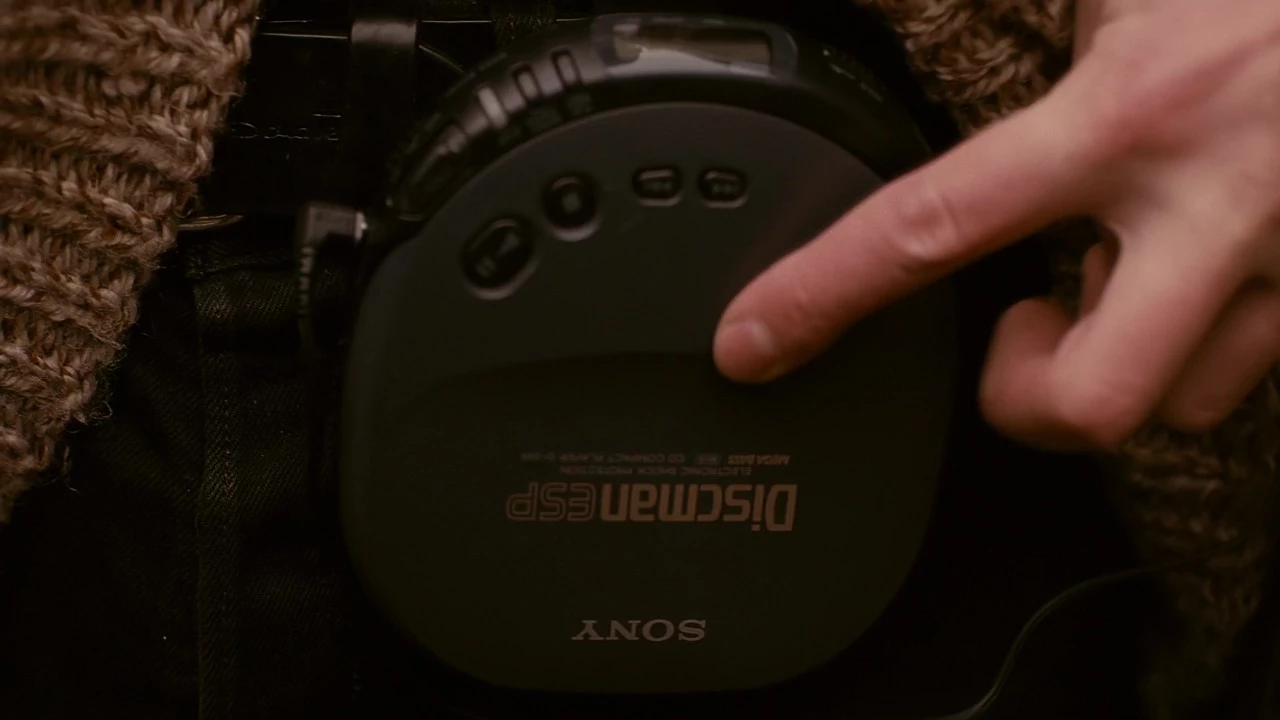
In a striking paradox of the digital age, while the gaming industry marches steadily toward an all-digital future, the music market is experiencing an unexpected renaissance of physical media. Generation Z, the demographic cohort born between 1997 and 2012 and often characterized as “digital natives,” is leading an unlikely charge back to CDs, vinyl records, and even cassette tapes. This counter-intuitive trend has caught industry analysts by surprise and is reshaping how record labels approach music distribution in an era dominated by streaming platforms.
The numbers tell a compelling story. According to the Recording Industry Association of America (RIAA), CD sales in the United States grew for the second consecutive year in 2023, marking the first sustained growth since the format’s peak in the early 2000s. Vinyl records have seen even more dramatic increases, with sales reaching levels not witnessed since the 1980s. Major retailers like Target and Barnes & Noble have expanded their physical music sections, while independent record stores report surging foot traffic from customers who weren’t even born when Napster first disrupted the industry.
The Psychology Behind the Physical Media Revival
Industry experts point to several factors driving this unexpected shift. Dr. Sarah Chen, a consumer behavior researcher at Columbia University, suggests that the trend reflects a deeper psychological need among young people who have grown up in an entirely digital environment. “For Generation Z, streaming music is the default, unremarkable experience,” Dr. Chen explains. “Physical media offers something tangible, collectible, and meaningful in a world where most of their cultural consumption exists only as data on a server.” This desire for tangibility extends beyond mere nostalgia—it represents a conscious rejection of the ephemeral nature of digital ownership, where purchased content can disappear when licensing agreements change or platforms shut down.
The appeal also lies in the ritual and intentionality that physical media demands. Unlike the algorithmic playlist culture of Spotify or Apple Music, playing a CD or vinyl record requires deliberate action. Listeners must choose an album, physically handle it, and commit to experiencing it as an artistic whole rather than a collection of skip-worthy tracks. This mindful approach to music consumption resonates with Generation Z’s broader interest in mental wellness and digital detox practices. Many young collectors describe the experience as meditative, a welcome break from the constant connectivity that defines their daily lives.
Economic and Cultural Implications for the Music Industry
Record labels have been quick to capitalize on this trend, releasing elaborate special editions, colored vinyl variants, and box sets that command premium prices. Taylor Swift, whose fanbase skews heavily toward Generation Z, has become a master of this strategy, releasing multiple vinyl editions of her albums that collectors eagerly purchase despite already having access through streaming. The K-pop industry has taken this even further, packaging albums with photo cards, posters, and exclusive content that transforms music purchases into comprehensive fan experiences. These strategies have proven remarkably effective, with some limited-edition releases selling out within minutes of becoming available.
However, the revival of physical media presents challenges alongside opportunities. Vinyl pressing plants, many of which closed during the industry’s digital transition, are struggling to meet demand. Wait times for new vinyl releases can stretch to six months or longer, and production costs have increased significantly. Environmental concerns also loom large, as the production of CDs and vinyl records involves plastics and chemicals that contribute to pollution. Some labels are exploring eco-friendly alternatives, including recycled vinyl and biodegradable packaging, though these innovations remain in early stages.
The contrast with the gaming industry is particularly striking. While Sony and Microsoft move toward digital-only console versions and game publishers increasingly favor download-only releases, music’s physical format revival suggests that consumer preferences don’t always align with industry assumptions about technological progress. This divergence may offer lessons for other media sectors, including film and publishing, about the enduring human desire for tangible cultural artifacts in an increasingly virtual world.
Expert Opinion: This physical media renaissance among Generation Z likely represents more than a passing trend—it signals a fundamental recalibration of how younger consumers value cultural ownership and authenticity. As streaming platforms continue to dominate convenience-driven listening, expect physical formats to solidify their position as premium, collector-oriented products that command higher margins. Record labels that successfully balance digital accessibility with compelling physical offerings will likely emerge as the biggest winners in this hybrid marketplace.