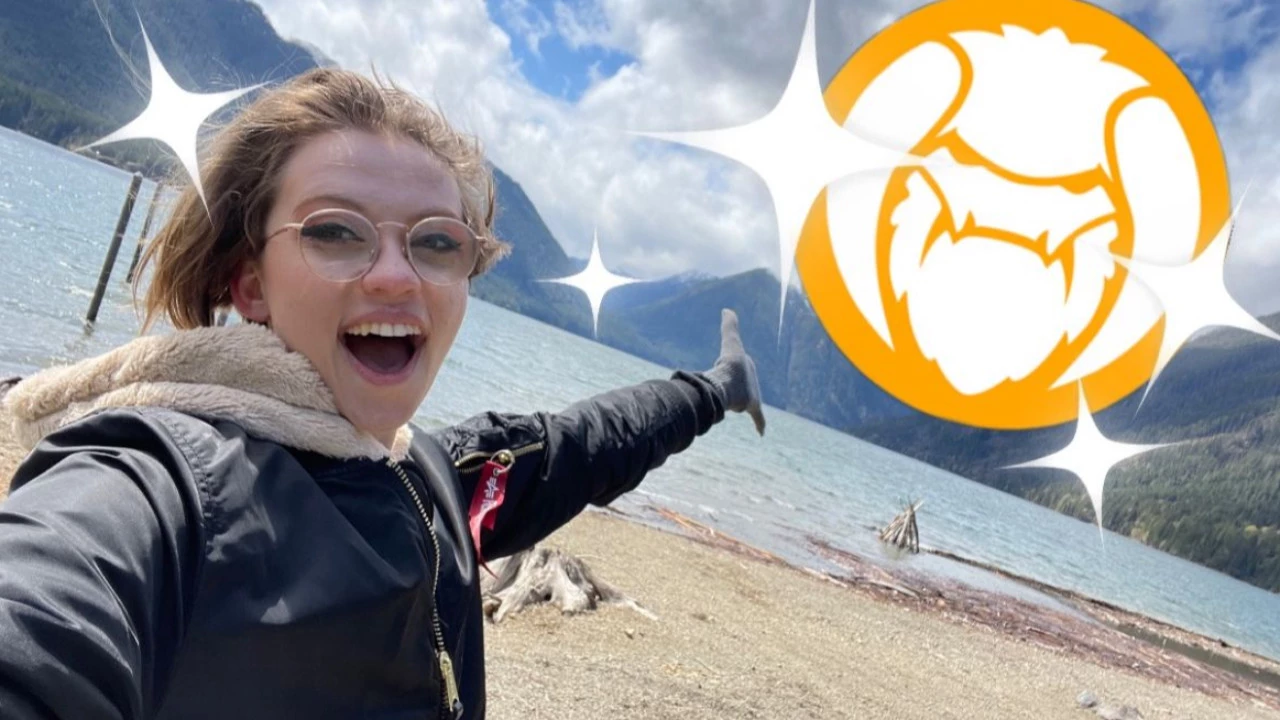
The gaming community has erupted in controversy following the revelation that McKenzie Patrick, a character artist who previously worked on the commercially disastrous Concord, has been employed at Insomniac Games for approximately eighteen months and is now contributing to the highly anticipated Marvel’s Wolverine project. The discovery has sparked heated debates across social media platforms about creative direction, artistic choices, and the potential impact on one of gaming’s most beloved superhero franchises.
McKenzie Patrick’s involvement in Concord, Sony’s ill-fated hero shooter that was pulled from sale just two weeks after launch in September 2024, has made her a lightning rod for criticism among certain gaming communities. Concord became one of the most spectacular failures in modern gaming history, with Sony reportedly losing approximately $400 million on the project. The game’s character designs were frequently cited as a major factor in its commercial failure, with many players criticizing the cast for being visually unappealing and lacking the charm necessary to compete in the crowded hero shooter market.
The Fall of Concord and Its Aftermath
Concord’s collapse sent shockwaves through the gaming industry and led to significant consequences for Firewalk Studios, the development team behind the project. Sony ultimately shut down the studio entirely, leaving hundreds of developers seeking new employment. The game’s failure has become a cautionary tale about the importance of character design and market research in the competitive gaming landscape. Critics pointed to the game’s character roster as fundamentally misunderstanding what players want from hero shooters, particularly when compared to successful titles like Overwatch and Valorant, which feature diverse but widely appealing character designs.
The timing of Patrick’s hiring at Insomniac Games suggests she joined the studio sometime in late 2023 or early 2024, potentially while still working on Concord or shortly after its development concluded. Insomniac Games has built an exceptional reputation over the past decade, particularly for its Marvel projects including the critically acclaimed Spider-Man series. The studio’s character work on Peter Parker, Miles Morales, and various villains has been praised for successfully translating comic book aesthetics into realistic, engaging game characters.
Marvel’s Wolverine: High Stakes Development
Marvel’s Wolverine represents one of the most anticipated upcoming releases from Sony’s first-party studios. Following the massive success of both Marvel’s Spider-Man games, expectations for Insomniac’s take on the clawed mutant are extraordinarily high. The game was first announced in 2021 with a brief teaser trailer, and fans have been eagerly awaiting any news about its development progress. Wolverine, also known as Logan, is one of Marvel’s most popular and enduring characters, with a devoted fanbase built over decades of comic books, animated series, and Hugh Jackman’s iconic film portrayal.
The controversy surrounding Patrick’s involvement highlights the increasingly scrutinized nature of game development in the social media age. Character artists rarely become public figures, but the Concord debacle has placed unusual attention on individual contributors. Industry observers note that game development is inherently collaborative, with final character designs typically passing through multiple approval stages involving art directors, creative leads, and studio executives. Attributing a game’s visual direction to any single artist oversimplifies the complex creative process involved in AAA game development.
Industry Response and Fan Concerns
Gaming communities remain divided on whether concerns about Patrick’s involvement are legitimate criticism or unfair targeting of an individual developer. Supporters of Insomniac point to the studio’s proven track record and rigorous quality standards, arguing that the team’s collective vision will ultimately determine Wolverine’s artistic direction. Critics, however, worry that creative philosophies that contributed to Concord’s failure might influence the new project. Insomniac Games has not publicly commented on the controversy, maintaining its typical silence on development matters until official announcements are ready.
The situation reflects broader tensions in the gaming industry regarding character design philosophy, audience expectations, and the responsibility studios bear to deliver products that resonate with their target demographics. As Marvel’s Wolverine continues development with no confirmed release date, the scrutiny on every aspect of its creation is likely to intensify. Fans hoping to see Logan brought to life in the same spectacular fashion as Spider-Man will be watching closely as more details emerge about the game’s direction and visual style.
Expert Opinion: While individual artists contribute to game development, Insomniac’s established pipeline and Marvel’s oversight suggest that Wolverine’s final character designs will reflect the studio’s proven aesthetic standards rather than any single contributor’s vision. The controversy underscores how the Concord failure has created lasting reputational damage that may follow associated developers regardless of their actual role in that project’s shortcomings.