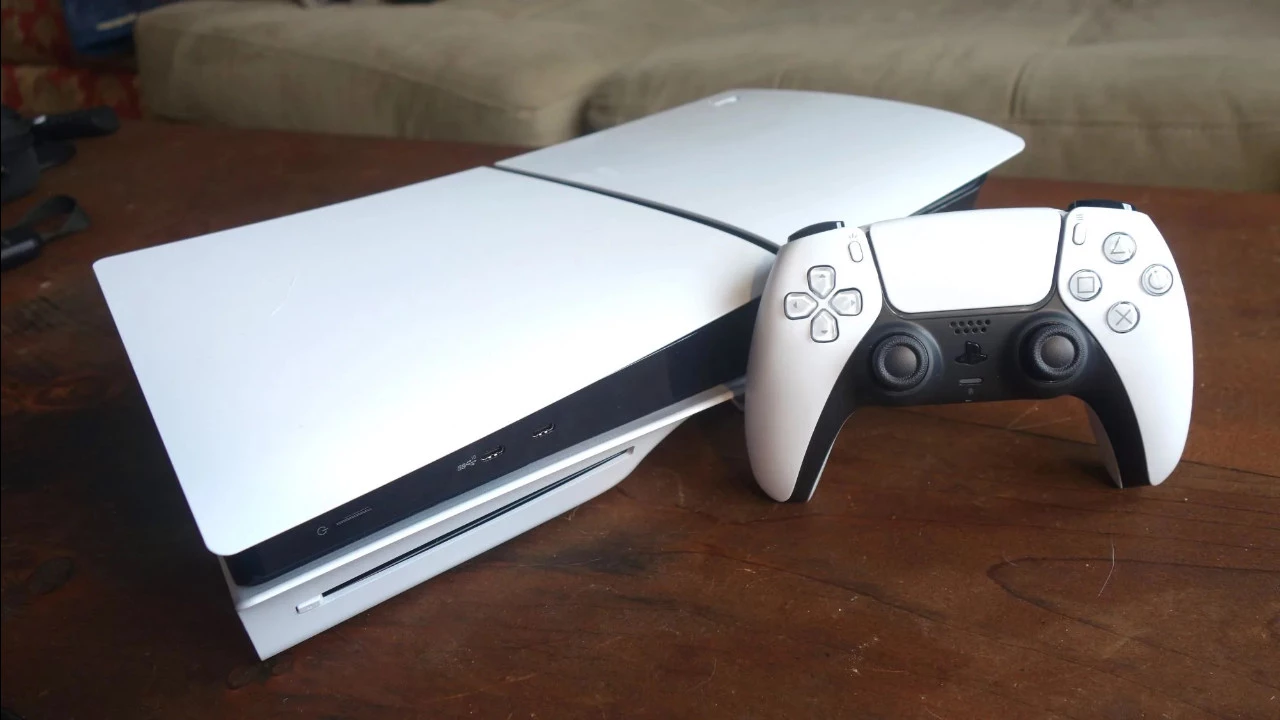
A passionate community of physical media advocates has declared war on Sony’s corporate strategy, launching an indefinite boycott of PlayStation products until the gaming giant reverses its controversial decision to completely phase out game discs by 2028. The movement, organized by the advocacy group “Does It Play?”, represents a growing backlash against the industry’s aggressive push toward an all-digital future, raising fundamental questions about consumer rights, game preservation, and the true meaning of ownership in the digital age.
The protest comes in response to Sony’s announcement that it will cease production and support for physical game media on its PlayStation consoles starting in 2028. This decision marks the end of an era that began in 1994 when the original PlayStation first introduced CD-ROM gaming to the mainstream market. For nearly three decades, physical discs have been synonymous with console gaming, allowing players to build tangible collections, share games with friends, and resell titles they no longer wanted.
The Rise of Digital-Only Gaming and Corporate Motivations
Sony’s move toward a disc-free future isn’t happening in isolation. The gaming industry has been steadily transitioning to digital distribution for over a decade, with companies citing convenience, reduced manufacturing costs, and environmental benefits as primary motivations. However, critics argue that the real driving force is profit maximization. Digital-only games cannot be resold, shared, or purchased secondhand, effectively eliminating the used game market that has long frustrated publishers. Additionally, digital storefronts give platform holders complete control over pricing, with sales occurring only at their discretion.
The financial implications for consumers are significant. Physical game prices typically drop faster due to retail competition, and used game sales provide affordable access for budget-conscious players. Industry analysts estimate that the used game market generates billions of dollars annually, money that flows to consumers and independent retailers rather than publishers. By eliminating physical media, Sony stands to capture a larger share of every game sale while simultaneously reducing manufacturing and distribution costs.
Game Preservation and the Question of Ownership
Beyond economic concerns, the Does It Play? community raises alarming questions about game preservation and long-term access. When games exist only as digital licenses tied to online servers, what happens when those servers shut down? History provides troubling precedents. Numerous online storefronts have closed over the years, rendering purchased content inaccessible. Nintendo’s recent closure of the 3DS and Wii U eShops left many digital-only titles effectively lost to history. Without physical media, gamers don’t truly own their purchases—they merely rent access at the platform holder’s pleasure.
Gaming historians and preservation advocates have long warned about the medium’s vulnerability to digital obsolescence. Unlike books, vinyl records, or even DVDs, digital games often require online authentication, patches, or server connections to function properly. The argument extends beyond mere nostalgia; it touches on cultural preservation. Video games are increasingly recognized as an art form worthy of historical documentation, yet the industry’s practices make preserving this cultural heritage increasingly difficult.
Consumer Rights and the Broader Digital Media Landscape
The PlayStation boycott reflects broader anxieties about digital ownership across all media. Similar debates have erupted over e-books, digital music, and streaming services, where consumers have discovered that their purchased content can disappear without warning or compensation. The gaming community’s organized resistance suggests that at least some consumers are willing to vote with their wallets against what they perceive as anti-consumer practices.
Whether this boycott will influence Sony’s strategy remains uncertain. The company has invested heavily in its digital infrastructure and subscription services like PlayStation Plus, which offer access to hundreds of games for monthly fees. From Sony’s perspective, the future is clearly digital, and the economics overwhelmingly favor this direction. However, sustained consumer pressure has occasionally forced corporate reversals in the gaming industry, most notably Microsoft’s dramatic policy changes for the Xbox One following intense fan backlash in 2013. The coming years will reveal whether the physical media defenders can muster similar influence or whether their protest represents the last stand of a dying format.
Expert Opinion: The tension between corporate digital strategies and consumer ownership rights will likely intensify across all entertainment sectors in the coming years. While Sony may proceed with its 2028 deadline regardless of this boycott, the organized resistance signals that a significant market segment values physical ownership—potentially creating opportunities for competitors willing to maintain disc support or for alternative preservation solutions to emerge. The outcome of this conflict could establish important precedents for digital consumer rights throughout the entertainment industry.