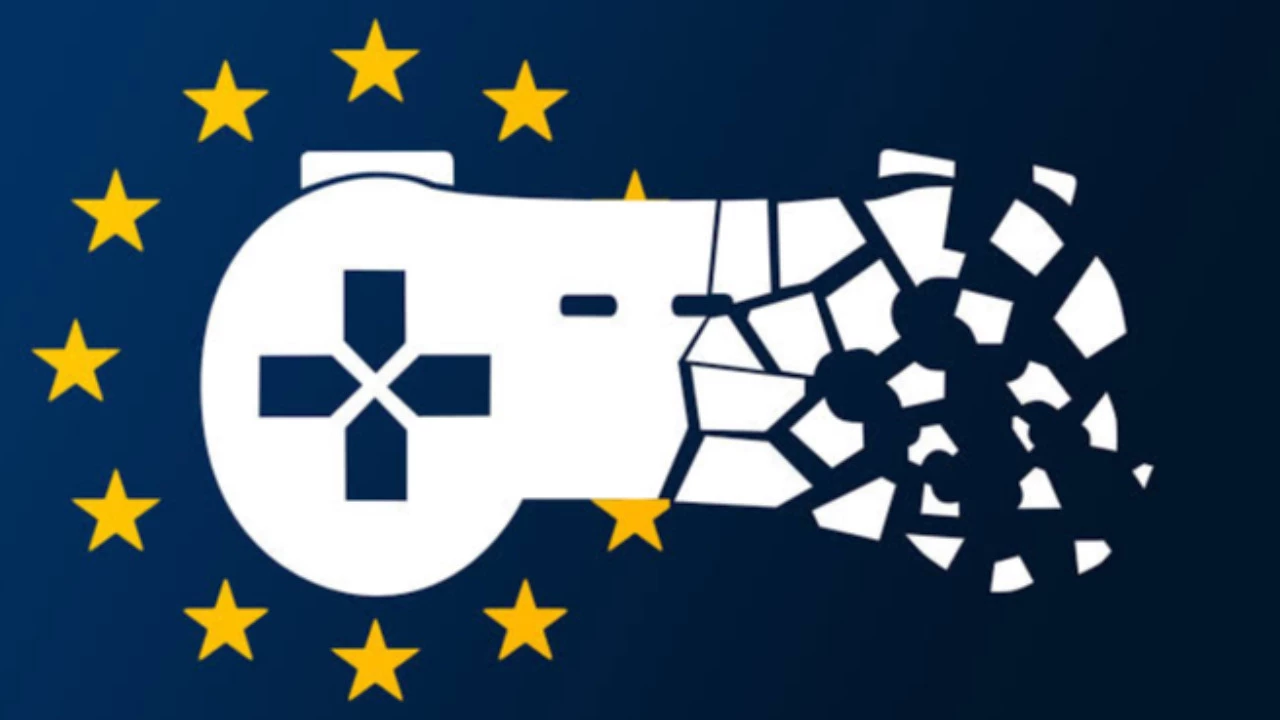
The Stop Killing Games initiative, which emerged from widespread player outrage following Ubisoft’s decision to shut down servers for The Crew racing game, may be heading toward an inevitable defeat. According to Dr. Seila Pontin, a gaming policy expert at Flux Digital Policy, the demands put forward by activists could represent a legal impossibility that no amount of public pressure can overcome. The movement, which has garnered significant support from gamers worldwide, appears to have underestimated the fundamental legal framework that governs modern video game distribution.
The controversy began when Ubisoft permanently closed The Crew’s servers in April 2024, rendering the game completely unplayable for everyone who had purchased it. This decision sparked intense backlash from consumers who argued they had paid full price for a product that was essentially being taken away from them. The Stop Killing Games campaign quickly mobilized, collecting signatures for a European Citizens’ Initiative aimed at forcing publishers to maintain games in playable states even after official support ends, or at minimum provide tools for community-run servers.
The Fundamental Problem: Licenses, Not Ownership
Dr. Pontin’s analysis cuts to the heart of a widely misunderstood reality in modern gaming: players don’t actually own the games they purchase. What consumers receive when they buy a digital or even physical game is merely a license to use the software under specific conditions set by the publisher. This licensing model has been the industry standard for decades and is legally reinforced by end-user license agreements that every player accepts before installation. The expert argues that Stop Killing Games fundamentally misunderstands this legal relationship, demanding rights that consumers never possessed in the first place.
This licensing framework isn’t unique to video games—it extends across virtually all software products. When Microsoft updates Windows or Adobe discontinues an older version of Photoshop, users have no legal recourse to demand continued access. The gaming industry has simply adopted this same model, which has been repeatedly upheld in courts across multiple jurisdictions. European consumer protection laws, while robust in many areas, have historically recognized the legitimacy of software licensing agreements when properly disclosed to consumers at the point of sale.
Historical Precedent and Industry Practices
The closure of online games is hardly a new phenomenon. Over the past two decades, hundreds of online games have been shut down, from early MMORPGs like Star Wars Galaxies and City of Heroes to more recent titles. In most cases, publishers have faced minimal legal consequences, as courts have consistently ruled that companies have the right to discontinue services that have become economically unviable. Some publishers have released server code to communities as a goodwill gesture, but this remains entirely voluntary and often complicated by third-party licensing agreements for middleware, music, and other assets embedded in the games.
The situation becomes even more complex when considering the technical and legal infrastructure of modern games. Many titles incorporate licensed technology from multiple vendors, copyrighted music from record labels, and proprietary server architectures that companies may be contractually prohibited from releasing. Even if a publisher wanted to comply with Stop Killing Games’ demands, doing so might require renegotiating dozens of separate licensing agreements—a process that could prove prohibitively expensive for games that are no longer generating revenue.
What Future Might Hold for Gaming Preservation
Despite the pessimistic legal outlook, the Stop Killing Games movement has succeeded in raising awareness about digital ownership issues in gaming. The European Citizens’ Initiative, while unlikely to achieve its stated goals according to Dr. Pontin, may still influence future legislation around consumer disclosure requirements. Some industry observers suggest that rather than mandating game preservation, regulators might instead require publishers to clearly communicate a game’s expected lifespan at purchase, giving consumers more informed choices about their digital investments.
The gaming industry itself appears to be taking notice of consumer sentiment. Some publishers have begun exploring hybrid models that allow limited offline functionality, while others have improved communication about server lifecycles. Whether these voluntary measures will satisfy activists or merely delay more aggressive regulatory efforts remains to be seen. For now, the legal reality remains unchanged: when you click “I Agree” on that license agreement, you’re accepting that your access to the game exists only at the publisher’s discretion.
Expert Opinion: The Stop Killing Games campaign highlights a growing tension between traditional software licensing models and consumer expectations in an increasingly digital marketplace. While the immediate legal challenges appear insurmountable, this movement may ultimately catalyze a broader industry shift toward more transparent communication about digital product lifecycles. The long-term solution likely lies not in forcing preservation mandates, but in evolving consumer protection frameworks that require explicit disclosure of service dependencies before purchase.