
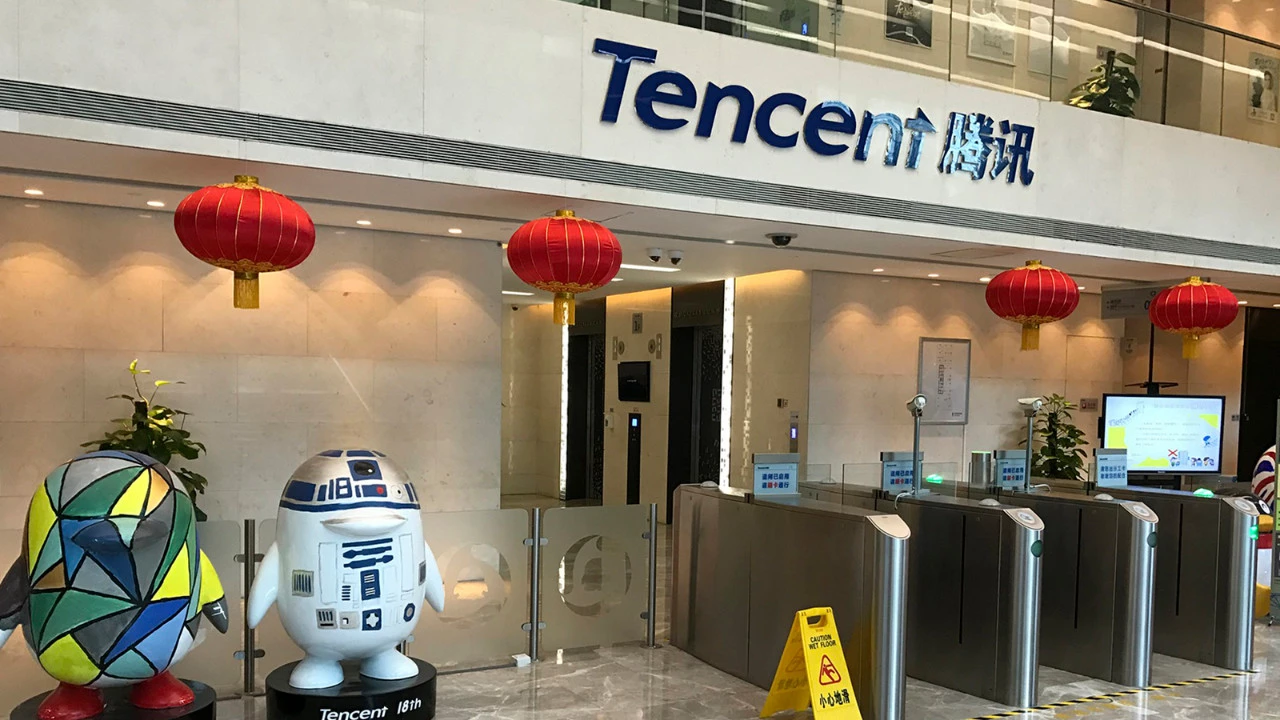
Chinese technology giant Tencent Holdings has released its financial results for the second quarter of 2026, demonstrating robust growth despite challenging macroeconomic conditions. The company reported total revenue of 204.785 billion yuan (approximately $30.37 billion USD), marking an 11% year-over-year increase. Operating profit showed even stronger momentum, climbing 12% to reach 67.276 billion yuan, signaling improved operational efficiency and successful cost management strategies across the conglomerate’s diverse business segments.
The Shenzhen-based tech powerhouse, which operates China’s dominant messaging platform WeChat with over 1.3 billion monthly active users, has continued to demonstrate resilience in a competitive landscape increasingly shaped by artificial intelligence innovation and regulatory oversight. This quarter’s performance exceeded analyst expectations, with many financial institutions having projected more modest single-digit growth given the broader slowdown in China’s digital advertising market and gaming industry.
Strategic Pivot Toward Artificial Intelligence
Perhaps the most significant aspect of Tencent’s quarterly report lies not in the revenue figures themselves but in the company’s aggressive commitment to AI infrastructure development. The company has substantially increased its capital expenditure allocation toward building out data centers, acquiring high-performance computing chips, and developing proprietary large language models. Industry analysts estimate that Tencent has invested over 50 billion yuan in AI-related infrastructure during the first half of 2026 alone, positioning itself to compete directly with domestic rivals Alibaba and ByteDance, as well as international players like Microsoft and Google.
Tencent’s AI strategy encompasses multiple fronts, including the integration of generative AI capabilities into its core products. WeChat has begun rolling out AI-powered features for content creation, customer service automation, and personalized recommendations. The company’s cloud computing division, Tencent Cloud, has also launched several enterprise-focused AI solutions targeting sectors such as healthcare, finance, and manufacturing, where demand for intelligent automation continues to accelerate.
Gaming and Digital Content Continue to Drive Growth
Tencent’s gaming division, the world’s largest by revenue, maintained its dominant position during the quarter. The company’s portfolio of blockbuster titles, including Honor of Kings and PUBG Mobile, continued to generate substantial revenue both domestically and internationally. International gaming revenue has become increasingly important for Tencent, accounting for approximately 30% of total gaming income as the company navigates regulatory restrictions on gaming hours for minors within China. The company’s investments in overseas gaming studios, including Riot Games, Supercell, and Epic Games, have proven strategically valuable as global gaming audiences expand.
The digital content ecosystem, encompassing video streaming through Tencent Video, music streaming via QQ Music and Kugou, and online literature platforms, also contributed positively to quarterly results. Subscription revenue from these services grew by an estimated 15%, reflecting successful premium content investments and reduced reliance on advertising revenue, which remains under pressure industry-wide.
Regulatory Environment and Future Outlook
Tencent’s strong quarterly performance comes after several years of navigating an evolving regulatory landscape in China. Since the government’s technology sector crackdown that began in late 2020, Tencent has adapted its business practices, including implementing stricter youth gaming protections, restructuring its fintech operations, and enhancing data privacy measures. The company’s ability to maintain double-digit growth while meeting regulatory requirements has restored investor confidence, with Tencent’s Hong Kong-listed shares recovering significantly from their 2022 lows.
Looking ahead, Tencent’s management expressed cautious optimism about the remainder of 2026. The company anticipates continued growth in cloud services and AI-related revenue streams, while gaming revenue is expected to benefit from several major title launches scheduled for the second half of the year. However, executives acknowledged ongoing challenges including fierce competition in the short-video space against ByteDance’s Douyin, macroeconomic headwinds affecting advertising budgets, and geopolitical tensions impacting international expansion opportunities. Despite these challenges, Tencent’s diversified business model and substantial cash reserves position it well to weather uncertainties while pursuing strategic growth initiatives in emerging technology sectors.
Expert Opinion: Tencent’s Q2 2026 results underscore the company’s successful transformation from a gaming-centric conglomerate to a diversified technology ecosystem with AI at its core. The substantial infrastructure investments signal management’s conviction that artificial intelligence will define the next decade of growth, positioning Tencent to capture significant market share in enterprise AI services across Asia. Investors should watch closely how effectively Tencent monetizes its AI capabilities while maintaining its traditional revenue streams in an increasingly competitive landscape.