
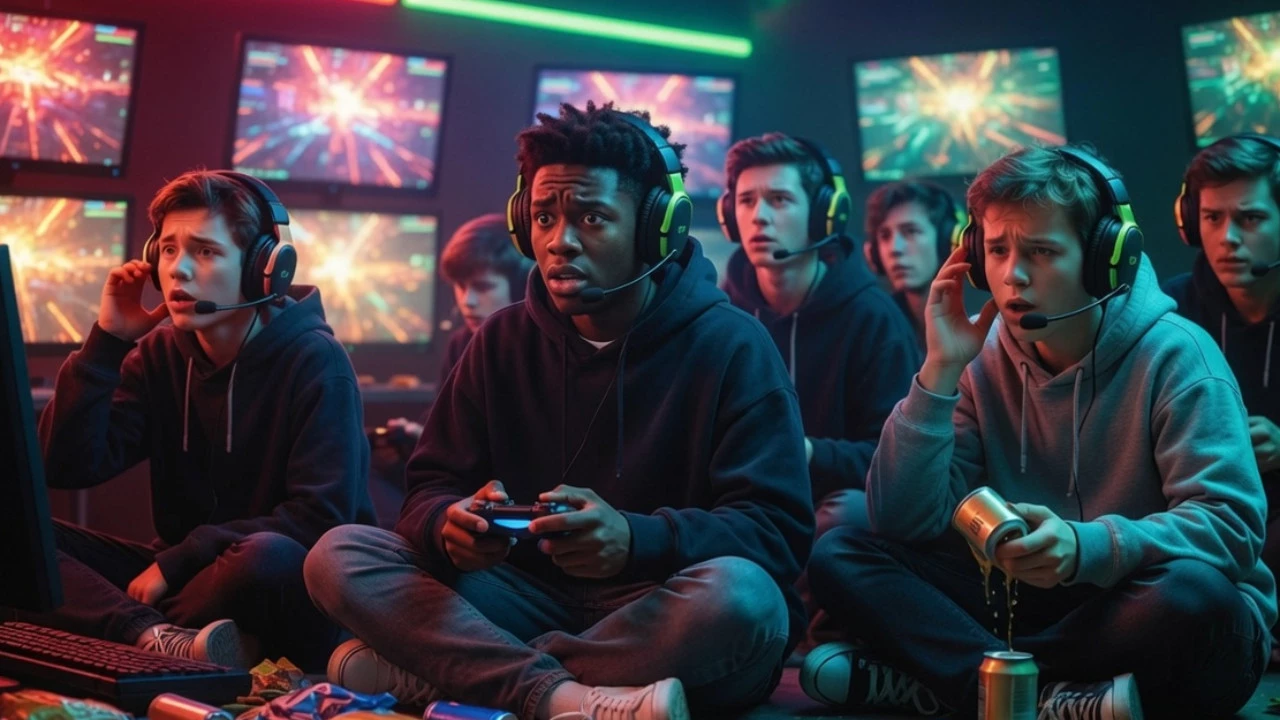
A comprehensive new study conducted by the educational platform Uchi.ru has examined the gaming preferences of Russian schoolchildren, revealing fascinating insights into how children’s interests evolve as they mature. The research found that as students grow older, their gaming preferences shift significantly from creative sandbox games and virtual world exploration toward logic-based puzzles and strategic thinking games. This transformation reflects broader developmental changes in cognitive abilities and social interests that occur throughout childhood and adolescence.
The findings come at a time when video game consumption among young people has reached unprecedented levels globally. With the average child now spending several hours per week engaged in digital entertainment, understanding what games capture their attention has become increasingly important for parents, educators, and child development experts alike. The Russian gaming market, valued at billions of rubles annually, has seen particular growth in mobile and PC gaming segments popular among younger demographics.
Age-Related Shifts in Gaming Preferences
The Uchi.ru research team discovered distinct patterns in game selection across different age groups. Younger children, typically those in elementary school grades, gravitate strongly toward creative games like Minecraft and Roblox, where they can build virtual worlds, express themselves artistically, and engage in imaginative play. These sandbox-style games allow for open-ended exploration without strict winning or losing conditions, which aligns with the developmental stage where children are still forming their creative identities and learning through play.
As children enter middle school and approach their teenage years, the study found a marked transition toward games requiring more complex cognitive skills. Strategy games, puzzle-solving titles, and competitive multiplayer experiences become increasingly appealing. This shift mirrors what developmental psychologists have long observed: adolescents develop stronger abstract thinking capabilities and become more interested in mastering systems, competing with peers, and achieving measurable goals within structured environments.
Educational Implications and Parental Guidance
The research carries significant implications for parents seeking to balance entertainment with educational value in their children’s screen time. Many of the games preferred by younger children, particularly those in the creative sandbox genre, have been shown to develop spatial reasoning, problem-solving skills, and even basic programming logic. Meanwhile, the strategy games favored by older students can enhance critical thinking, resource management skills, and long-term planning abilities.
Child development experts recommend that parents engage with their children’s gaming habits rather than simply restricting them. Understanding what games children play and why they find them appealing can open important dialogues about digital literacy, online safety, and healthy gaming habits. The Uchi.ru study suggests that the natural evolution of gaming preferences actually reflects healthy cognitive development, as children instinctively seek out challenges appropriate to their growing mental capabilities.
The Broader Context of Youth Gaming Culture
Russia’s gaming landscape has evolved dramatically over the past decade, with domestic developers creating content specifically tailored to local audiences while international titles remain hugely popular among young players. The esports industry has also flourished, with competitive gaming tournaments attracting significant youth participation and viewership. This gaming ecosystem provides context for understanding why certain genres appeal to different age groups, as younger children often discover games through social connections and older students may be drawn to competitive elements that mirror professional gaming careers.
Looking ahead, researchers anticipate continued evolution in youth gaming preferences as new technologies emerge. Virtual reality, augmented reality, and artificial intelligence-driven games are expected to create new categories of interactive experiences that may reshape how future generations engage with digital entertainment. The Uchi.ru study provides a valuable baseline for tracking these changes and understanding the relationship between child development and gaming culture in an increasingly digital world.
Expert Opinion: The correlation between age and gaming preference complexity suggests that video games may serve as informal cognitive training tools that children naturally select based on their developmental readiness. Parents and educators should view this progression as an opportunity rather than a concern, using children’s gaming interests as entry points for discussions about technology, goal-setting, and balanced digital consumption. As gaming continues to integrate with educational platforms, we can expect to see more deliberate hybridization of entertainment and learning objectives in titles targeting young audiences.