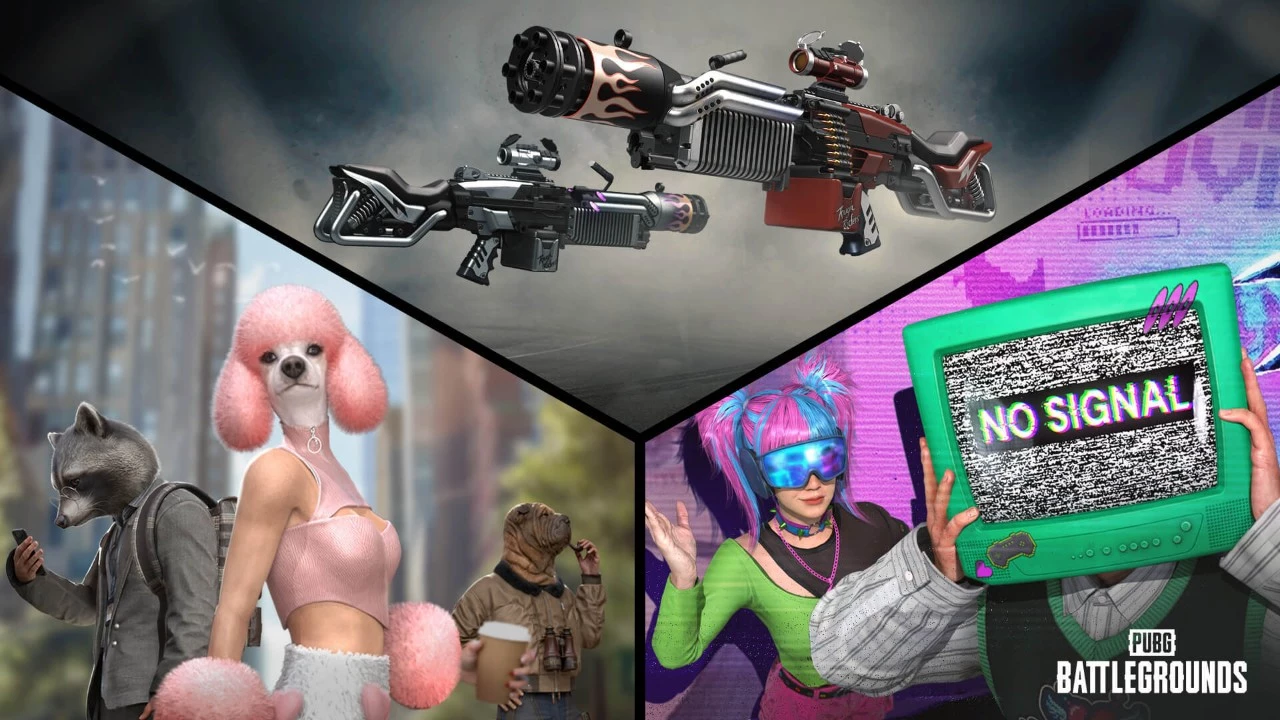
PUBG, the battle royale phenomenon that helped define an entire gaming genre, is preparing for a significant update that has caught the attention of its massive player base. The developers at Krafton have announced plans to remove a portion of weapons from the game, a decision that comes with an unprecedented compensation package for players who own skins for the affected firearms. This move represents one of the most substantial content adjustments in the game’s history and has sparked considerable discussion within the gaming community about the future direction of this iconic title.
The compensation structure being offered is remarkably generous by industry standards. Players who have invested in cosmetic items for the weapons being removed will receive refunds in the form of G-Coins, BP (Battle Points), and credits. This multi-tiered approach to compensation ensures that players can recoup their investments regardless of which currency they originally used to acquire their skins. The decision to offer such comprehensive refunds demonstrates Krafton’s commitment to maintaining player trust and satisfaction during what could otherwise be a contentious transition period.
The Evolution of PUBG’s Weapon System
Since its initial release in 2017, PUBG has continuously evolved its weapon roster to maintain competitive balance and gameplay freshness. The game originally launched with a carefully curated selection of firearms, but over the years, the arsenal has expanded significantly to include dozens of weapons across various categories including assault rifles, submachine guns, sniper rifles, and shotguns. This expansion, while adding variety, has also created challenges in terms of game balance, loot distribution, and the overall player experience. Some weapons inevitably became redundant or underutilized, leading to cluttered loot tables and confusion among newer players trying to learn the game’s mechanics.
The decision to streamline the weapon pool reflects a growing trend in the live-service gaming industry. Developers are increasingly recognizing that more content does not always equal better gameplay experiences. By removing underperforming or redundant weapons, PUBG can create more focused encounters where each firearm serves a distinct purpose. This philosophy has been successfully implemented in other competitive titles, where weapon diversity is balanced against the need for clear, strategic choices during gameplay.
Impact on the Competitive Scene and Player Economy
The professional PUBG esports scene, which has flourished since the game’s inception with major tournaments offering millions of dollars in prize money, will need to adapt to these changes. Professional players who have developed specific strategies around certain weapons may need to revise their approaches. However, many analysts believe this consolidation could actually benefit competitive play by reducing randomness in loot spawns and creating more consistent early-game experiences. The PUBG Global Championship and regional leagues have consistently drawn impressive viewership numbers, and maintaining competitive integrity remains a top priority for Krafton.
The skin economy in PUBG represents a significant portion of the game’s ongoing revenue and player engagement. Some rare weapon skins have achieved considerable value on the Steam marketplace, with certain items trading for hundreds or even thousands of dollars. The compensation announcement has understandably created waves in this secondary market, as collectors and traders assess the impact on their portfolios. Krafton’s decision to provide direct currency compensation rather than replacement items gives players flexibility in how they reinvest their refunds, whether in new cosmetics, battle passes, or other in-game purchases.
Looking Ahead: PUBG’s Continued Evolution
This update signals Krafton’s ongoing commitment to keeping PUBG relevant in an increasingly competitive battle royale market. Since the genre exploded in popularity, numerous competitors have emerged, including Fortnite, Apex Legends, and Call of Duty: Warzone, each vying for player attention. By actively refining its core gameplay experience rather than simply adding more content, PUBG demonstrates a mature approach to game development that prioritizes quality over quantity. The game continues to maintain a dedicated player base, particularly in Asian markets where it remains one of the most popular competitive titles.
Players are encouraged to review the official announcement for specific details regarding which weapons will be affected and the exact compensation amounts they can expect. The update is expected to roll out in the coming weeks, giving players time to prepare for the transition. As PUBG approaches its eighth year of operation, this willingness to make bold changes while protecting player investments suggests a sustainable path forward for one of gaming’s most influential titles.
Expert Opinion: This strategic consolidation represents a pivotal moment for PUBG’s long-term viability. By reducing weapon bloat while offering industry-leading compensation, Krafton is effectively resetting player expectations and demonstrating that legacy titles can evolve meaningfully without alienating their core audience. Expect other live-service games facing similar content inflation challenges to closely study this approach as a potential template for their own future updates.