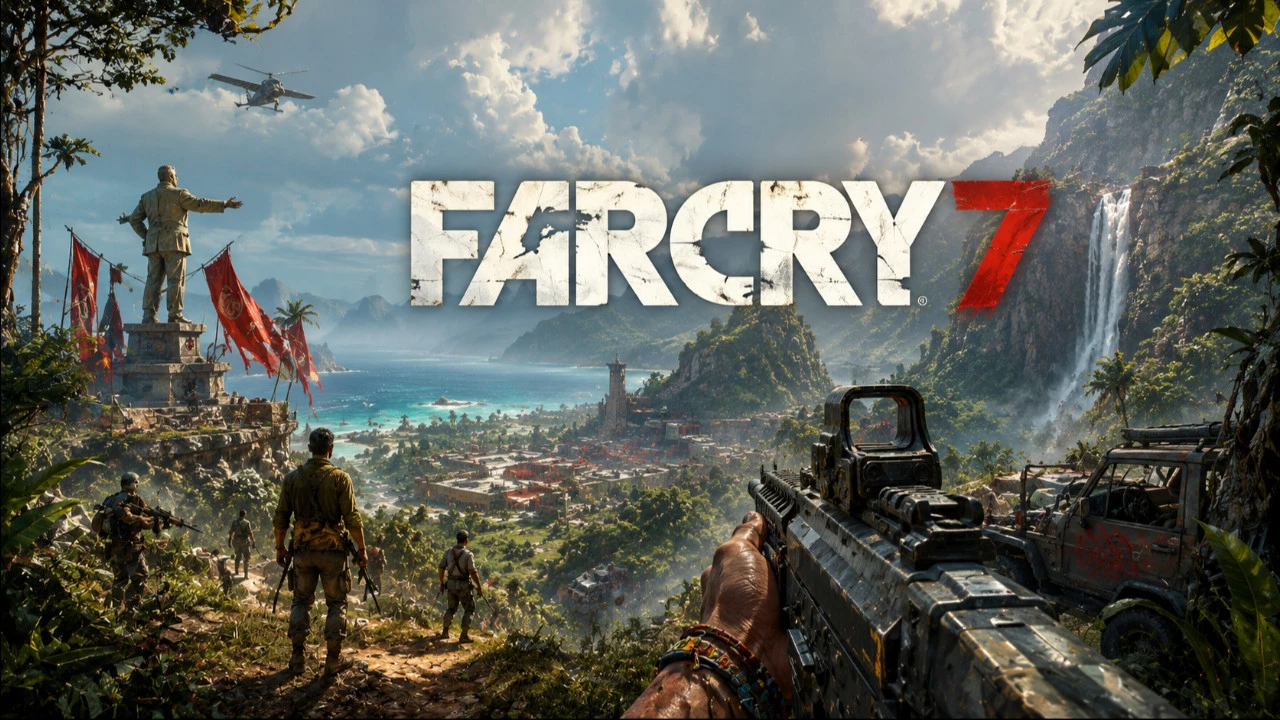
In a candid admission during its latest financial report, French video game giant Ubisoft has acknowledged what industry observers have long suspected: excessively prolonged development cycles are systematically undermining the company’s ability to deliver commercially successful titles. The publisher, known for franchises like Assassin’s Creed, Far Cry, and Watch Dogs, openly recognized that releasing games at the precise moment when initial excitement has transformed into widespread indifference represents a critical threat to profitability and brand reputation.
This acknowledgment marks a significant shift in corporate messaging for Ubisoft, which has historically defended its extended production timelines as necessary for quality assurance. The company now faces the uncomfortable reality that in today’s rapidly evolving gaming landscape, timing can matter as much as quality itself. When a highly anticipated title finally launches after years of delays, the gaming community’s enthusiasm has often migrated to newer, fresher experiences.
The Economics of Anticipation and Consumer Fatigue
The phenomenon Ubisoft describes represents a well-documented pattern in entertainment economics known as “hype decay.” Initial game announcements generate substantial excitement, creating what marketers call a “hype window” — a period during which consumer interest peaks and purchasing intent remains strong. However, this window has a finite duration. Research suggests that for major gaming releases, the optimal launch window typically falls within 18 to 24 months of initial announcement. Beyond this threshold, each additional month of delay correlates with measurable decreases in launch-week sales and overall lifetime revenue.
Ubisoft’s portfolio offers numerous case studies in this phenomenon. Skull and Bones, the pirate-themed naval combat game, was originally announced at E3 2017 with tremendous fanfare. After seven years of development, multiple creative overhauls, and countless delays, the game finally launched in early 2024 to disappointing sales and mixed reviews. By the time it reached consumers, the gaming landscape had changed dramatically, and competing titles had already satisfied the appetite for naval adventure experiences. Similarly, Beyond Good and Evil 2, announced in 2008 and re-revealed in 2017, remains in development limbo, with fan interest having largely evaporated over the years.
Industry-Wide Implications and Historical Context
Ubisoft’s predicament reflects broader challenges facing the AAA gaming industry. Development budgets have ballooned dramatically over the past decade, with major titles now routinely costing between $100 million and $300 million to produce. These escalating costs create pressure to extend development cycles as teams attempt to justify massive investments through increasingly ambitious scope. However, this creates a dangerous feedback loop: larger budgets demand longer development, which increases risk of market timing failures, which in turn threatens the financial returns needed to fund future projects.
The gaming industry has witnessed similar cautionary tales throughout its history. Duke Nukem Forever spent 15 years in development hell before releasing in 2011 to critical derision and commercial underperformance. More recently, CD Projekt Red’s Cyberpunk 2077, while eventually achieving commercial success, launched in December 2020 in a notoriously broken state after eight years of development — demonstrating that extended timelines do not necessarily guarantee quality outcomes. These examples illustrate that development duration and game quality share no simple correlation, while the relationship between delay and diminished commercial performance remains consistently negative.
Strategic Responses and Future Outlook
In response to these challenges, Ubisoft has announced strategic initiatives aimed at streamlining production pipelines and reducing time-to-market for future releases. The company is reportedly implementing more rigorous project management frameworks, establishing clearer milestone requirements, and empowering creative directors to make faster decisions about feature scope. Additionally, Ubisoft has signaled intentions to leverage its existing technology platforms more efficiently, reducing the need to build proprietary systems from scratch for each new project.
Industry analysts suggest that Ubisoft’s survival may depend on successfully executing this strategic pivot. The company faces intense competition from both established rivals like Electronic Arts and Activision Blizzard, as well as emerging threats from live-service games and independent studios capable of delivering compelling experiences at fraction of traditional development costs. The coming years will determine whether Ubisoft can escape the development trap it has publicly acknowledged, or whether the company will continue producing games that arrive too late to capture the audiences they were designed to serve.
Expert Opinion: Ubisoft’s public acknowledgment of its development timing failures signals a potential inflection point for the entire AAA gaming industry. Companies that successfully balance ambitious creative vision with disciplined production schedules will likely emerge as market leaders, while those clinging to outdated “it’s ready when it’s ready” philosophies risk irrelevance. The next two to three years will prove decisive in determining whether legacy publishers can adapt to a market that increasingly rewards agility over sheer production scale.