
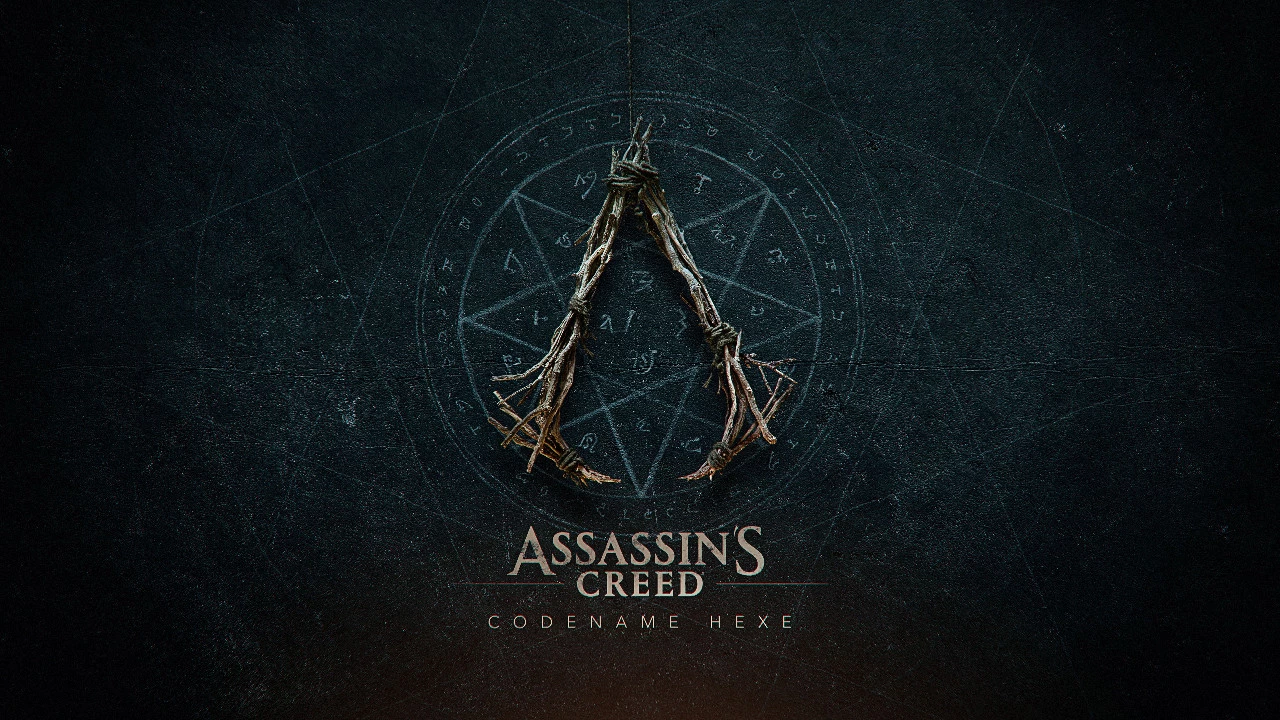
New details have emerged online regarding Assassin’s Creed Codename Hexe, one of the most anticipated upcoming entries in Ubisoft’s long-running franchise. According to information from reliable insiders, developers at Ubisoft Montreal are crafting an ambitious project set during the dark era of European witch hunts, with a mysterious Gothic cathedral serving as the central location and narrative focal point. The game promises to deliver a haunting atmosphere unlike anything the series has explored before, potentially marking a significant departure from recent entries in terms of both tone and gameplay mechanics.
The Assassin’s Creed franchise has consistently explored pivotal moments in human history, from the Crusades to the French Revolution, the American War of Independence, and Viking invasions of England. Hexe appears to continue this tradition by tackling one of history’s most disturbing periods—the European witch trials that swept across the continent primarily between the 15th and 18th centuries. Historical records suggest that tens of thousands of people, predominantly women, were accused of witchcraft and executed during this period. The Holy Roman Empire, which encompassed modern-day Germany, Austria, and parts of Central Europe, was particularly notorious for its brutal witch persecution, making it a fitting backdrop for the dark narrative Ubisoft seems to be developing.
A Return to Stealth and Social Mechanics
According to insider reports, Assassin’s Creed Hexe will feature a renewed emphasis on classic stealth gameplay that defined the earlier entries in the franchise. The game is reportedly bringing back robust social stealth mechanics, allowing players to blend into crowds and use the environment to remain undetected. This represents a significant shift from the more combat-focused approach seen in recent titles like Valhalla and Odyssey, which embraced full-scale RPG mechanics and open warfare. Long-time fans have frequently voiced their desire for a return to the series’ roots, and Hexe appears positioned to answer those calls.
The parkour system is also receiving substantial attention from the development team. Sources indicate that traversal mechanics are being completely overhauled to deliver what insiders describe as “normal” or refined parkour—suggesting a more grounded, realistic approach to movement compared to the superhuman abilities featured in some recent installments. The Gothic architecture of Central European cities and the prominent cathedral setting should provide ample opportunities for vertical exploration, reminiscent of climbing iconic structures like Notre-Dame in Assassin’s Creed Unity or the Duomo in Assassin’s Creed II.
Dark Atmosphere and Supernatural Elements
The witch hunt setting opens intriguing possibilities for Assassin’s Creed Hexe in terms of atmosphere and potential supernatural elements. While the franchise has always maintained a scientific explanation for seemingly magical events through Pieces of Eden and First Civilization technology, the witch hunt era provides a unique opportunity to blur these lines further. The fear, paranoia, and religious fervor that characterized this historical period could create an intensely psychological gameplay experience. Players may find themselves navigating a world where superstition and reality intertwine, and where the Assassin Brotherhood operates in the shadows to protect the innocent from both the Templar Order and the deadly accusations of heresy.
The choice of a Gothic cathedral as the central location carries significant symbolic weight. These magnificent structures represented both the height of medieval architectural achievement and the power of the Church during this turbulent era. Historically, ecclesiastical authorities played complex roles during the witch trials—sometimes fueling persecution, other times attempting to moderate it. This architectural and narrative centerpiece could serve multiple purposes: a hub for investigation, a location hiding ancient secrets, and a powerful visual symbol of the institutional forces at play during this dark chapter of European history.
Development Timeline and Industry Context
Assassin’s Creed Hexe was first announced alongside several other upcoming projects during Ubisoft’s showcase event, where the company revealed its ambitious plans for the franchise’s future. The game is being developed by Ubisoft Montreal, the studio responsible for creating the original Assassin’s Creed and many of its most celebrated sequels. While an official release date has not been confirmed, industry analysts speculate that Hexe could arrive sometime after Assassin’s Creed Shadows, the Japan-set entry currently in development. The staggered release schedule suggests Ubisoft is committed to delivering polished, distinct experiences rather than rushing products to market. With the franchise now spanning nearly two decades and dozens of titles across multiple platforms, Hexe represents an opportunity to reinvent the formula once again while honoring the series’ stealth-action heritage.
Expert Opinion: The strategic pivot toward a darker, stealth-focused experience with Assassin’s Creed Hexe signals Ubisoft’s recognition that franchise fatigue requires meaningful innovation, not just new historical settings. By returning to social stealth mechanics while exploring the psychologically rich territory of witch hunt paranoia, Hexe could potentially revitalize the brand for players who felt alienated by the RPG direction of recent entries. Success will ultimately depend on whether the development team can balance historical authenticity with compelling gameplay in what promises to be the franchise’s most atmospherically ambitious project to date.