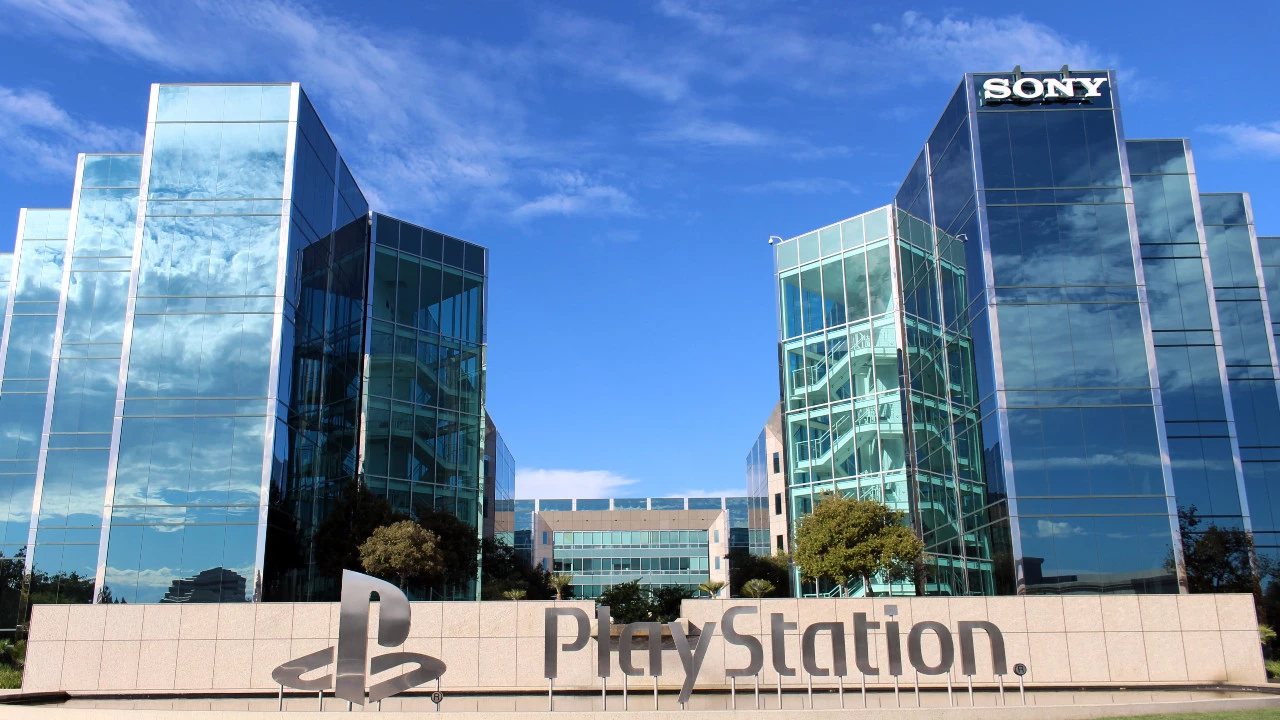
In a surprising turn of events that has captured the attention of the global gaming community, Mexico has emerged as an unexpected champion of consumer rights in the digital age. The country’s regulatory authorities are actively exploring legal mechanisms to challenge Sony’s announcement that it will cease production of physical game copies by 2028. This bold stance comes at a time when European nations, despite their traditionally strong consumer protection frameworks, have remained notably quiet on the issue.
Sony’s decision, announced earlier this year, sent shockwaves through the gaming industry. The Japanese entertainment giant cited declining physical sales, environmental considerations, and the growing dominance of digital distribution as primary factors behind the move. However, consumer advocacy groups worldwide immediately raised concerns about digital ownership rights, game preservation, and the potential for price manipulation in a fully digital marketplace.
Mexico’s Regulatory Response and Consumer Protection Framework
Mexico’s Federal Consumer Protection Agency (PROFECO) has taken a proactive approach to the situation, examining whether Sony’s planned phase-out could violate existing consumer protection laws. Mexican officials argue that eliminating physical media effectively strips consumers of true ownership rights, as digital purchases are typically licensed rather than owned outright. This distinction has profound implications for resale rights, inheritance of digital assets, and long-term access to purchased content.
The Mexican government’s interest in this matter reflects a broader trend in Latin America, where regulators have increasingly scrutinized tech giants’ business practices. Brazil and Argentina have similarly strengthened their digital consumer protection frameworks in recent years, creating a regional bloc that appears more willing to challenge major corporations than their European counterparts. Legal experts suggest that Mexico’s actions could set a precedent for other developing nations seeking to assert consumer rights in the digital economy.
Europe’s Puzzling Silence on Digital Ownership Rights
The European Union’s apparent reluctance to address Sony’s announcement has puzzled observers, given the bloc’s reputation for aggressive regulation of technology companies. The EU has historically been at the forefront of consumer protection, implementing landmark legislation such as the General Data Protection Regulation (GDPR) and the Digital Services Act. However, when it comes to digital game ownership and the elimination of physical media, Brussels has remained conspicuously silent.
Industry analysts suggest several possible explanations for Europe’s inaction. Some point to the powerful lobbying efforts of major gaming publishers, who stand to benefit significantly from a digital-only distribution model through reduced manufacturing and distribution costs. Others note that European regulators may be focused on more pressing technological concerns, including artificial intelligence governance and platform competition issues. Nevertheless, consumer advocacy groups across Europe have expressed disappointment at their governments’ failure to protect gamer rights.
The Broader Implications for Digital Ownership
Sony’s planned transition raises fundamental questions about ownership in the digital age that extend far beyond gaming. When consumers purchase a digital game, they typically receive a license to access the content rather than ownership of the product itself. This means that if Sony were to shut down its servers, revoke licenses, or simply remove games from its platform, consumers could lose access to content they paid for with no recourse or compensation. Physical media, by contrast, provides a tangible asset that consumers can resell, lend, or preserve indefinitely.
Game preservation advocates have been particularly vocal about the historical implications of eliminating physical media. Video games represent a significant cultural art form, and without physical copies, future generations may lose access to important works as servers shut down and digital licenses expire. Organizations dedicated to game preservation have warned that a fully digital future could result in the loss of countless titles, erasing decades of gaming history. The Video Game History Foundation has called for legislative action to protect gaming’s cultural heritage.
What Happens Next
As Mexico continues its investigation, the global gaming community watches with keen interest. Should Mexican authorities successfully challenge Sony’s policy or force the company to maintain physical production for the Mexican market, it could create a template for other nations to follow. Consumer rights organizations are urging gamers worldwide to contact their representatives and demand similar scrutiny of digital-only transitions across the entertainment industry.
The outcome of this confrontation between a sovereign nation and a multinational entertainment corporation could reshape the relationship between consumers and digital content providers for decades to come. Whether other countries will follow Mexico’s lead or continue to defer to corporate interests remains to be seen, but the battle lines over digital ownership have clearly been drawn.
Expert Opinion: Mexico’s proactive stance represents a potential watershed moment in digital consumer rights, and other nations would be wise to observe closely. If successful, this regulatory challenge could force not just Sony but the entire entertainment industry to reconsider the terms of digital ownership. We may be witnessing the early stages of a global regulatory realignment that prioritizes consumer ownership rights over corporate convenience in the digital marketplace.