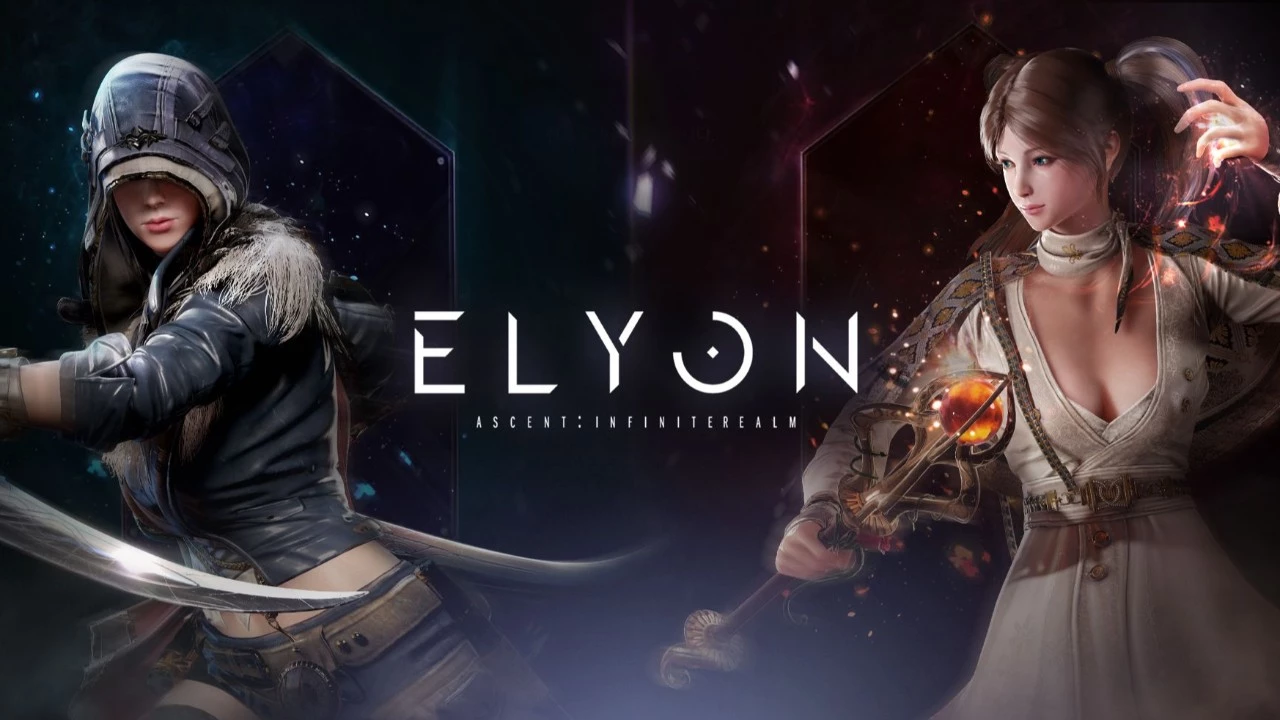
In a significant blow to the massively multiplayer online role-playing game community, Kakao Games has officially announced that the Korean version of Elyon will be shutting down its servers. This announcement follows closely on the heels of news that the global version of the game would cease operations in December of this year, signaling a complete end to the once-promising MMORPG that captured the attention of gamers worldwide.
The closure of both versions represents a definitive conclusion for a title that underwent a tumultuous development history spanning nearly a decade. Originally announced under the name Ascent: Infinite Realm (A:IR) back in 2017, the game was developed by Bluehole Studio, the same company responsible for the phenomenally successful PlayerUnknown’s Battlegrounds (PUBG). The project generated considerable excitement due to its ambitious steampunk aesthetic and promise of large-scale aerial combat mechanics that would set it apart from competitors in the crowded MMORPG market.
A Troubled Development Journey
Elyon’s path to release was far from smooth. After its initial announcement, the game underwent substantial redesigns and rebranding efforts. The developers shifted away from some of the original aerial combat concepts, refocusing the game’s core mechanics to appeal to a broader audience. This pivotal change came with the new name “Elyon,” which the title carried through to its eventual launch. The Korean version officially launched in December 2020, while the global release followed in October 2021, published by Kakao Games for the Western market and other regions.
Despite the anticipation that had built over years of development, Elyon struggled to maintain a sustainable player base following its release. The MMORPG market has become increasingly competitive, with established titles like Final Fantasy XIV, World of Warcraft, and Guild Wars 2 continuing to dominate player attention. Additionally, newer free-to-play options and the rise of live-service games across other genres have made it increasingly difficult for new MMORPGs to carve out lasting niches in the gaming landscape.
Industry Implications and Market Trends
The shutdown of Elyon reflects broader challenges facing the MMORPG genre in the current gaming climate. Development costs for these massive online experiences have skyrocketed, while player expectations continue to rise. Many recent MMORPG launches have failed to achieve the longevity of their predecessors from the genre’s golden age in the mid-2000s. Industry analysts have noted that subscription and retention models that worked a decade ago no longer guarantee success in an era where players have unprecedented choices in how they spend their gaming time.
For Kakao Games, the decision to close Elyon comes as the company continues to focus on other ventures, including its ongoing support of various mobile titles and publishing partnerships. The company has been diversifying its portfolio in recent years, recognizing the shifting dynamics of the gaming industry. Players who have invested time and money into Elyon are facing the unfortunate reality that their progress and purchases will eventually become inaccessible, a concern that has become increasingly common as more online-only games reach the end of their operational lifespans.
What This Means for Players
Current Elyon players are being encouraged to enjoy the remaining time with the game while servers remain operational. Both Kakao Games and the development team have expressed gratitude to the community for their support throughout the game’s lifespan. While specific details regarding refund policies or compensation for recent purchases have not been fully disclosed, players are advised to monitor official channels for updates regarding the shutdown timeline and any final events that may be planned to commemorate the game’s closure.
The end of Elyon serves as a reminder of the ephemeral nature of online gaming experiences and the importance of considering the long-term viability of games that require persistent server support. As the industry continues to evolve, both developers and players must grapple with questions about digital ownership and the preservation of online gaming experiences for future generations.
Expert Opinion: The closure of Elyon underscores a critical inflection point for the MMORPG industry, where development costs exceeding $100 million can no longer guarantee sustainable player engagement. Moving forward, we expect to see developers pivot toward hybrid models combining persistent worlds with seasonal content structures, similar to successful live-service games, rather than traditional MMORPG frameworks that struggle to compete for player attention in today’s fragmented gaming landscape.