The History of Volleyball: From Mintonette in 1895 to a Global Sport
How a YMCA instructor's indoor game from 1895 became a global Olympic sport, from the name change and the spike to the FIVB, rally scoring and the libero.
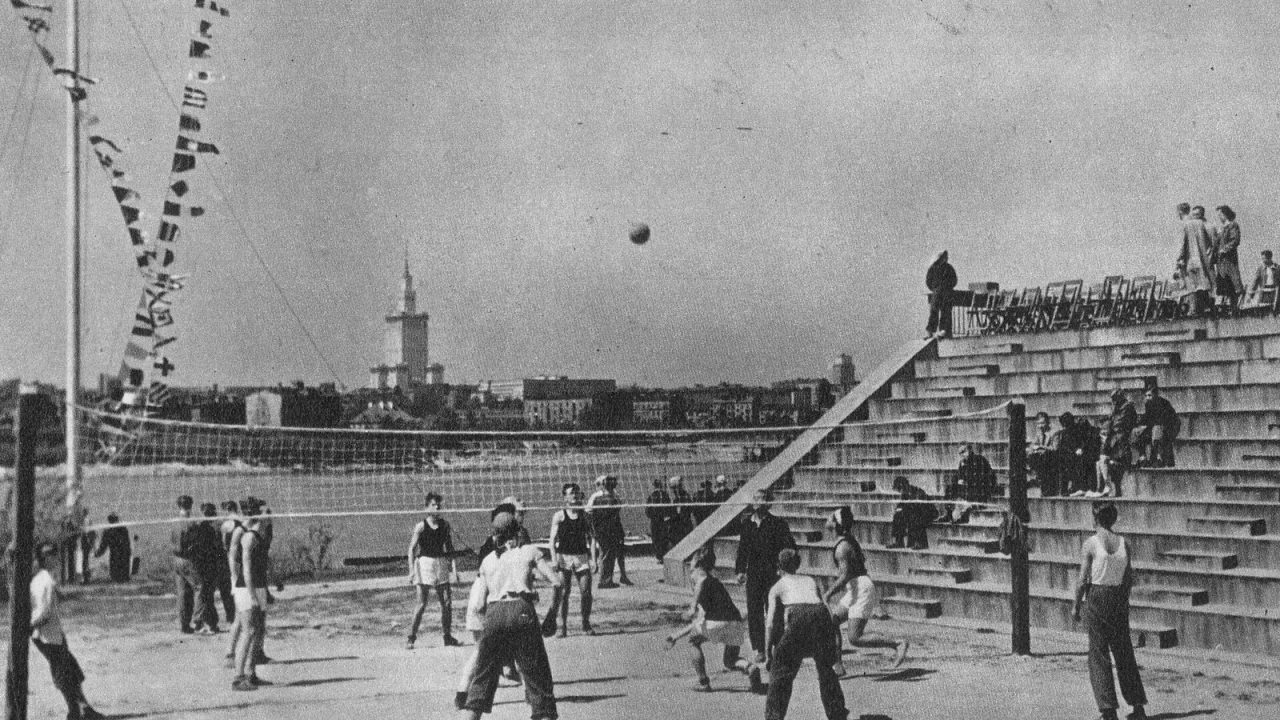
Volleyball is one of the few major sports whose birthplace, inventor and approximate birth date are all known. It did not evolve slowly from folk games over centuries; it was designed on purpose, in a gym in Massachusetts, by a physical education instructor who wanted a gentler alternative to a sport invented a few miles away only a few years earlier. From that modest start, it spread through the YMCA network and military channels to become one of the most widely played sports in the world.
This article traces that journey: the inventor and his reasons, the early rules, the innovations that turned a recreational pastime into a power sport, the founding of the international federation, and the modern reforms that shaped the game fans watch today.
William G. Morgan and the birth of “mintonette”
William George Morgan was born on January 23, 1870, in Lockport, New York. After school at Northfield Mount Hermon, he studied at the YMCA International Training School in Springfield, Massachusetts (now Springfield College), where he met James Naismith, the inventor of basketball. Both men went on to careers in YMCA physical education.
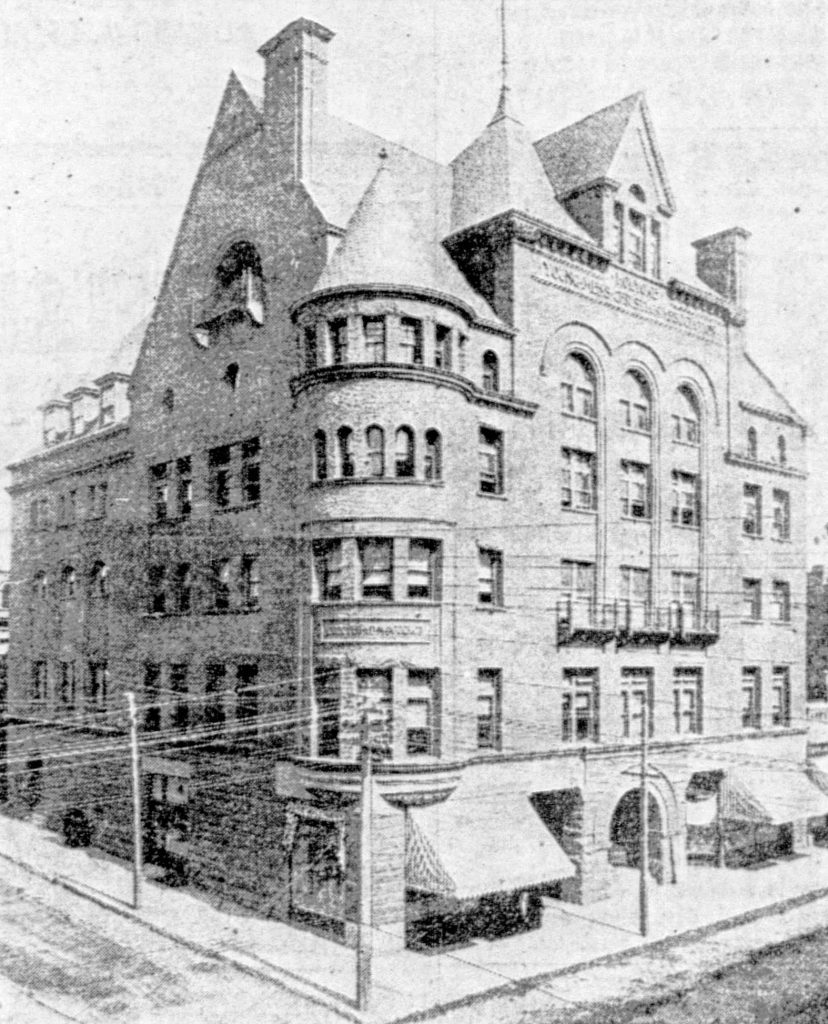
In 1895, Morgan was director of physical education at the YMCA in Holyoke, Massachusetts. Basketball, invented by Naismith in 1891, was already popular, but it was physically demanding, with plenty of running and contact. Morgan wanted something suitable for older and less athletic members, people who wanted exercise without rough play. He blended elements of existing games and called the result mintonette, a name borrowed from badminton.
Morgan’s early rules look strange to modern eyes. The net stood 6 feet 6 inches high, the court measured 25 by 50 feet, and a match was divided into nine “innings.” The rules allowed any number of players per side. The essential idea, however, was already there: keep the ball off the floor on your side and send it back over a net.
From mintonette to volleyball
The name did not last long. In 1896, Morgan’s game was shown at a demonstration at the International YMCA Training School in Springfield. An observer, Alfred Halstead, noticed that the core action was volleying the ball back and forth over the net and suggested the name “volley ball.” The two-word name stuck, and over time it was written as a single word.
The new game spread fast because it had the perfect distribution network: the YMCA. YMCA instructors moved between cities and countries, carrying games with them. Canada was the first country outside the United States to adopt volleyball, in 1900, and the game soon reached Asia, Latin America and Europe through YMCA missions and physical educators.
Equipment followed demand. Sporting goods firm Spalding produced an early official volleyball; sources disagree on whether that was in 1896 or 1900, but either way the sport had its own ball within a few years of its invention.
How the game became athletic: the set, the spike and three touches
The most important early innovations came not from Massachusetts but from the Philippines. In 1916, players there introduced the set and spike: a high, controlled pass to a teammate, who jumped and hit the ball forcefully down into the opponent’s court. This transformed volleyball from a game of keeping the ball alive into a game of attack and defence.
Rule changes followed to shape that new style:
- 1917: the winning score of a game was reduced from 21 points to 15.
- Around 1920: the “three hits” rule was established, limiting each side to three contacts before sending the ball over, and back-row players were barred from attacking at the net.
Together, those changes created the basic pass-set-hit pattern that still defines the sport, and the distinction between front-row and back-row players that underpins modern positions and rotations. Our guide to volleyball rules explains how these principles look in today’s rulebook.
The First World War gave the sport another push. In 1919, the American Expeditionary Forces distributed about 16,000 volleyballs to troops and allies, helping to plant the game in countries where it had barely been seen.
The FIVB and the first world championships
By the mid-20th century, volleyball was played across Europe, Asia and the Americas, but under a patchwork of national rules. On 20 April 1947, representatives of 14 national federations from five continents met in Paris to found the Fédération Internationale de Volleyball (FIVB). Frenchman Paul Libaud became its first president.
International competition followed quickly:
- 1949: the first men’s World Championship was held in Prague, Czechoslovakia.
- 1952: the first women’s World Championship was held, won by the Soviet Union.
The Soviet Union became the dominant force of the early decades, eventually winning six men’s and five women’s world titles before its dissolution, with Czechoslovakia and later Japan also prominent. Eastern Europe’s strong state-supported sports systems suited a team sport that rewarded height, drilling and coordination.
The FIVB itself moved its headquarters from Paris to Lausanne, Switzerland, in 1984, the year Mexico’s Rubén Acosta succeeded Libaud as president. Acosta’s long presidency covered the period of the sport’s biggest modern rule reforms.
Olympic recognition in 1964
The breakthrough moment for global visibility came in 1964, when volleyball made its Olympic debut at the Tokyo Games. Each tournament was played as a single round-robin. The Soviet Union won the men’s gold ahead of Czechoslovakia and Japan, while Japan’s women took gold ahead of the Soviet Union and Poland.
Japan’s women’s victory on home soil became one of the most famous moments in the country’s sporting history and helped make volleyball a mass-audience sport in Japan. It also established a pattern that continues today: the Olympic tournament is widely regarded as the most prestigious title in volleyball. For how the modern Olympic events are organised, see our guide to volleyball at the Olympics.
Beach volleyball: a parallel story
Beach volleyball developed alongside the indoor game rather than after it. Play on the sand is thought to date back to around 1915 at Waikiki Beach in Hawaii, and the modern two-player game is credited to Paul “Pablo” Johnson of the Santa Monica Athletic Club, who played the first recorded doubles game in the summer of 1930.
The FIVB embraced the discipline in the late 1980s: the first FIVB-sanctioned international beach tournament was held at Ipanema, Rio de Janeiro, in 1987. Beach volleyball joined the Olympic programme in 1996, only 32 years after the indoor game, and quickly became one of the most popular tickets at the Summer Games.
The modern reforms: rally scoring and the libero
For most of its history, volleyball used side-out scoring: only the serving team could win a point, and games went to 15. That system produced matches of unpredictable length, which was a problem for broadcasters. At the end of the 1990s the FIVB rewrote some of the sport’s oldest conventions.
The libero (1998)
In 1998 the FIVB introduced the libero internationally: a back-row defensive specialist in a contrasting jersey who can replace any back-row player without counting as a normal substitution, but who is barred from attacking the ball above the height of the net. The libero was meant to lengthen rallies and give shorter, defence-minded players a place at elite level. Our article on the libero covers the current restrictions in detail.
Rally scoring (1999–2000)
The FIVB switched to rally-point scoring in 1999, making it compulsory in 2000. Under rally scoring, a point is scored on every rally regardless of who served, and sets go to 25 with a deciding fifth set to 15, each requiring a two-point margin. Rally scoring reached US college volleyball in 2001, and most US high schools followed around 2003.
The effect was dramatic: match length became far more predictable, every rally mattered, and the comeback dynamics of side-out scoring disappeared. Together with the libero, rally scoring defines the modern indoor game.
A global sport today
From a single YMCA gym, volleyball has grown into a sport governed by an FIVB that counted more than 220 national federations as of 2020. Its competition calendar now includes the Olympic Games, biennial world championships, the annual Volleyball Nations League and the Beach Pro Tour, along with powerful domestic club leagues in countries such as Italy, Poland, Turkey and Brazil.
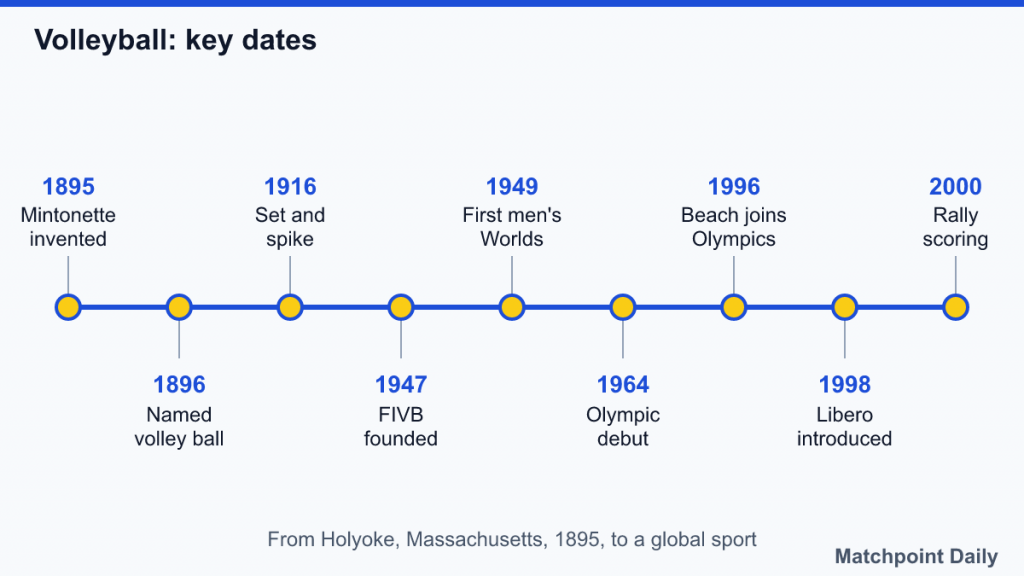
Part of the reason for that reach is the design Morgan started with. Volleyball needs only a ball, a net and a flat space; it can be played indoors or outdoors, by six players or two; and beginners can enjoy a rally long before they master a spike. Those qualities made it ideal for schools, clubs, military bases and beaches alike, which is exactly where it spread.
Morgan lived long enough to see his game spread around the world, though not to see it reach the Olympics; he died in Lockport on December 27, 1942. In 1985 he became the inaugural inductee of the Volleyball Hall of Fame, a fitting recognition for the instructor who just wanted a gentler game for his members.
Key dates at a glance
| Year | Milestone |
|---|---|
| 1895 | William G. Morgan invents “mintonette” in Holyoke, Massachusetts |
| 1896 | Demonstration in Springfield; Alfred Halstead suggests “volley ball” |
| 1900 | Canada becomes the first country outside the US to adopt the game |
| 1916 | Set and spike introduced in the Philippines |
| 1947 | FIVB founded in Paris |
| 1949 / 1952 | First men’s / women’s World Championships |
| 1964 | Olympic debut in Tokyo |
| 1996 | Beach volleyball joins the Olympics |
| 1998 | Libero introduced internationally |
| 1999–2000 | Rally-point scoring adopted, compulsory from 2000 |