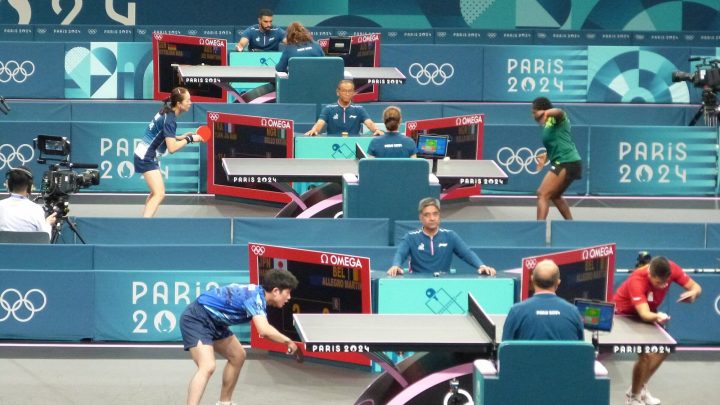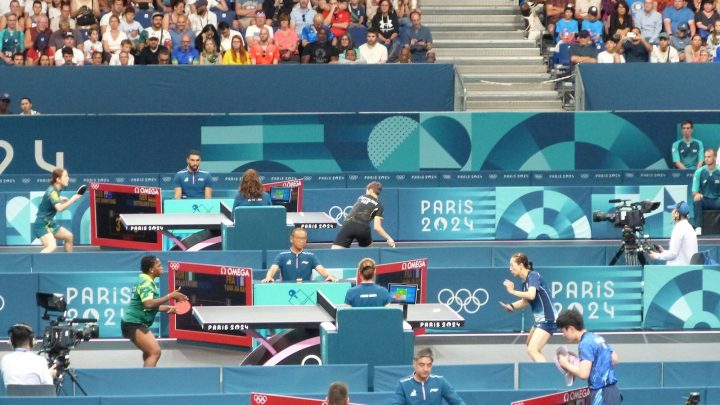
Table Tennis Strokes for Beginners: Push, Drive, Loop, Block and Flick
The five core table tennis strokes explained for beginners: what the push, drive, loop, block and flick do, when to use them, common errors and a learning order.
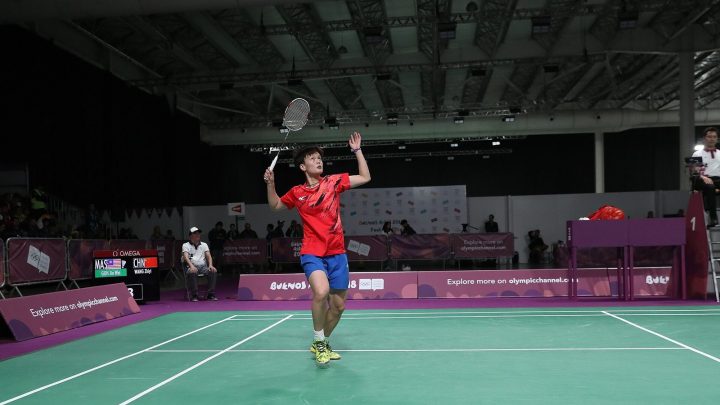
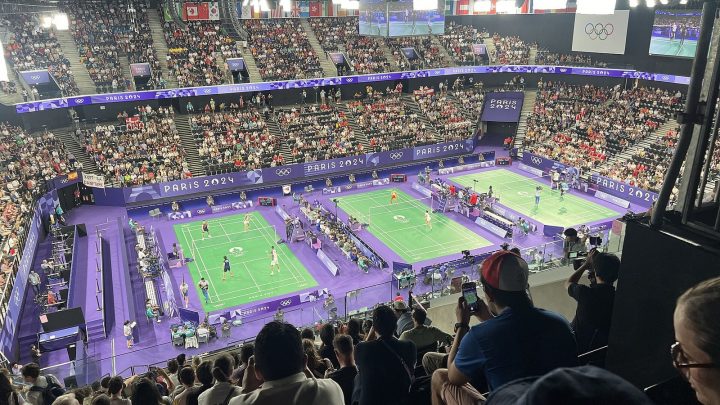
The core badminton strokes explained: clear, drop, smash, net shot, drive and lift, with forehand and backhand variants, when to use each and beginner cues.
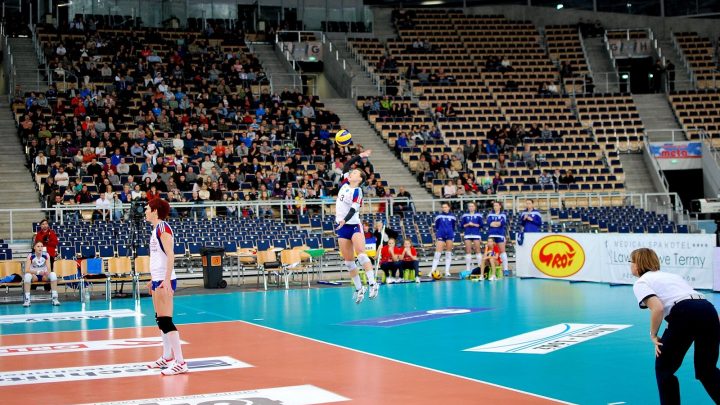
How underhand, float, topspin, jump float and jump spin serves work, basic technique cues, the serving rules, and how teams use serving as a tactical weapon.
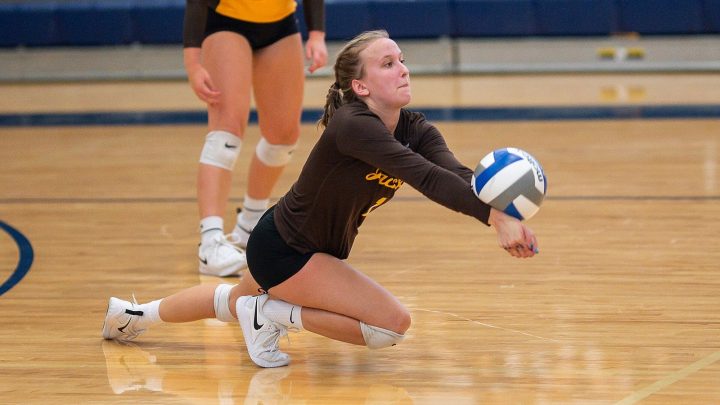
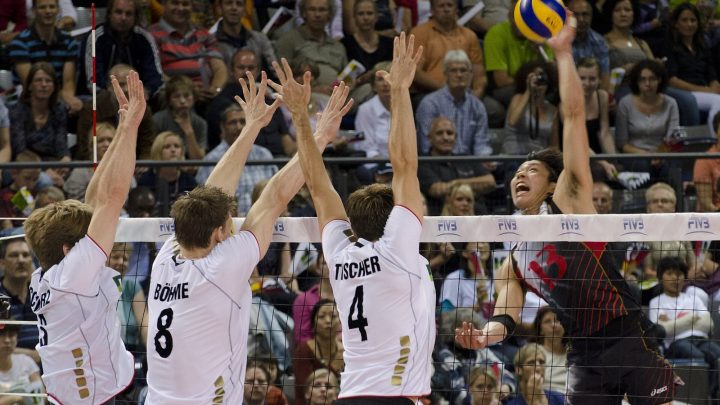
Why volleyball has a libero, how libero replacements work, what the libero may not do, how two-libero rosters operate, and where FIVB and other codes differ.
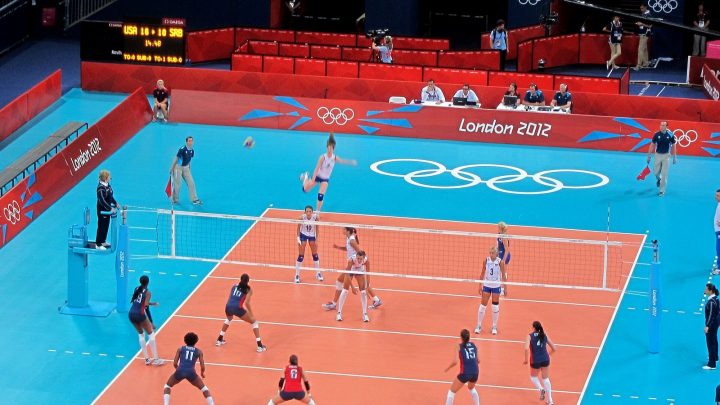
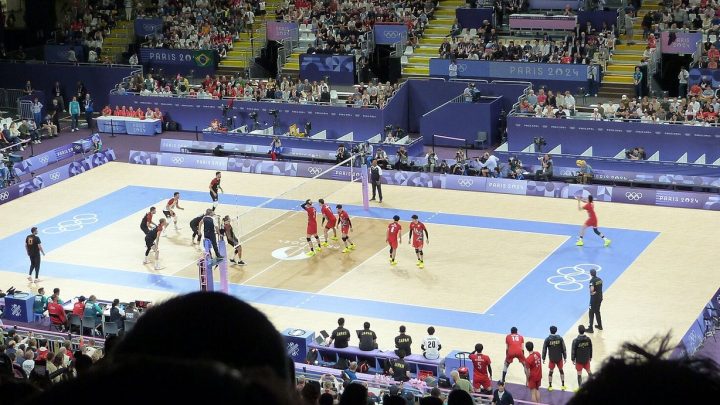
How volleyball's six court positions, clockwise rotation and overlap rules work, what changed in the FIVB 2025–2028 rules, and how teams stack legally.
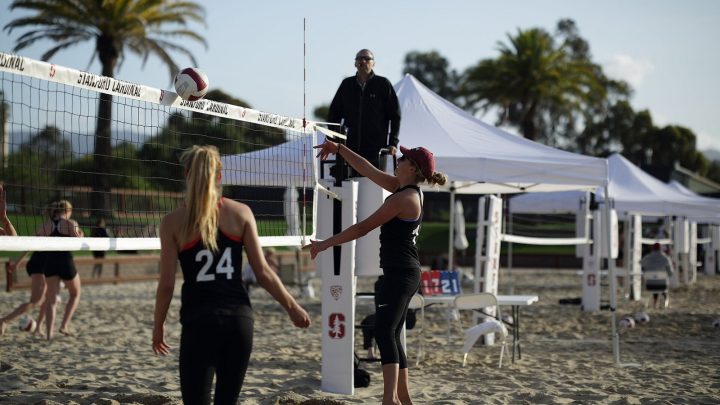
Beach and indoor volleyball share a net height and a basic idea, but team size, court, ball, scoring, positions and physical demands differ. Here is how.
A clear guide to table tennis rules: 11-point games, serve rotation, deuce, lets, edge balls vs side balls, the free hand, volleys and the expedite system.
How badminton scoring works under the current 21-point system, court lines, faults and intervals, plus what changes when BWF's 3x15 format starts in January 2027.
What setters, outside hitters, opposites, middle blockers, liberos and defensive specialists do, and how playing roles differ from the six court positions.
A plain-English guide to indoor volleyball rules: court and net heights, six players, three touches, rally scoring, common faults, timeouts and substitutions.